Gloucestershire’s Maternity Governance Minutes Revealed: Safety Concerns - And Why Transparency is Needed…

After months of trying to understand the safety issues at Gloucestershire’s maternity services,
I finally received a batch of meeting minutes
—not from the Trust,
but from the Integrated Care Board (ICB).
These were meeting minutes from the Local Maternity & Neonatal System (LMNS)
and the Perinatal Quality & Safety (PQS) workstream,
spanning late 2024 through 2025.
These minutes were released under a Freedom of Information request.
They are the internal safety and governance records.
And what they contain is deeply concerning.
Not because they confirm fears about the homebirth service,
but because they reveal
significant and sustained safety concerns
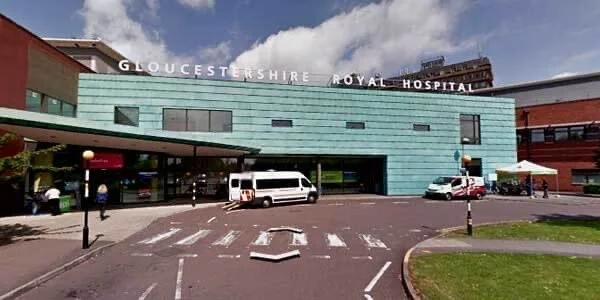
inside the hospital setting itself
—concerns that women and families have not been told about,
instead their alternative choices have been slowly eroded.
⛔️ Aveta Birth Centre - Closed
⛔️ Postatal Beds at Stroud - Closed
⛔️ Home Birth services - Closed
⛔️ Stroud Birth Centre - Only available to a minority.
Sporadic closures - still uncertain.
⛔️ Gloucester Alongside Birth Centre
- Rooms Closed & turned into office space.
- Midwives & women pulled into labour ward.
Rather than speculation,
these are the Trust’s and ICB’s own words,
in formal meetings, recorded by their governance team.
I’m sharing a summary here,
and will link every document so anyone can see the evidence for themselves.
A System Under Strain:
What these Minutes Actually Show
The picture painted across these governance papers is consistent and troubling.
1. Rising Stillbirths
– Including Clusters
Several meetings reference:
unusually high stillbirth numbers
a cluster of 13 stillbirths between September 2024 and February 2025
stillbirth rates “higher than national average”
[actually around DOUBLE national average]repeated delays in stillbirth review reports being completed and released
missed basic antenatal observations
(BP, urinalysis, fundal height, fetal heart checks) appearing as themes
The phrase “midwifery fundamentals” comes up repeatedly**
2. Neonatal Deaths Under External Review
Multiple minutes confirm:
neonatal deaths have been reviewed externally
reports have been delayed
action plans are still “in development”
Yet families have not been informed of this wider context.
HOSC / Women / Media told that women must give up their
homebirth or birth centre plans & come into the unit for their safety!!
But have there been any home birth deaths in Gloucestershire?
According to long term population level studies,
and Gloucestershire’s own stats
Home is a very safe option.
3. Maternal Death Review Delays
A maternal death occurred (reported to MBRRACE), with:
slow progress on the review
difficulty securing a review team
actions delayed through governance
Again, this was not disclosed publicly.
4. Significant Quality Issues in Labour and Birth
Across the PQS workstream, the following appear over and over:
rising Caesarean rates, to the point staff warn it may reach 50%
with women barred from lower risk options.repeated escalation of third- and fourth-degree tears as an outlier
women barred from settings
with lower serious injury outcomes.postpartum haemorrhage risk assessment failures
persistent problems with triage access
high “Birth Before Arrival” cases (BBAs), prompting a system review
This is not a one-off concern; these issues appear in almost every meeting.
How is forcing mothers to birth in a unit with all these issues an example of safety first?
5. Dashboard Problems and Data Gaps
There are repeated notes about:
dashboards not updated
metrics appearing “flat” or unreliable
patchy benchmarking
missing ethnicity and deprivation detail
discussions about removing or replacing problematic metrics
It is impossible for the public or HOSC to assess safety accurately
when internal dashboards themselves are unstable.
6. Governance That Appears Disconnected From Reality
Across the documents:
reports are frequently delayed
actions depend on future committees
reviews are “withheld pending governance” for many months
staff express uncertainty over where actions sit or who oversees them
This pattern indicates systemic governance weakness,
not isolated incidents.
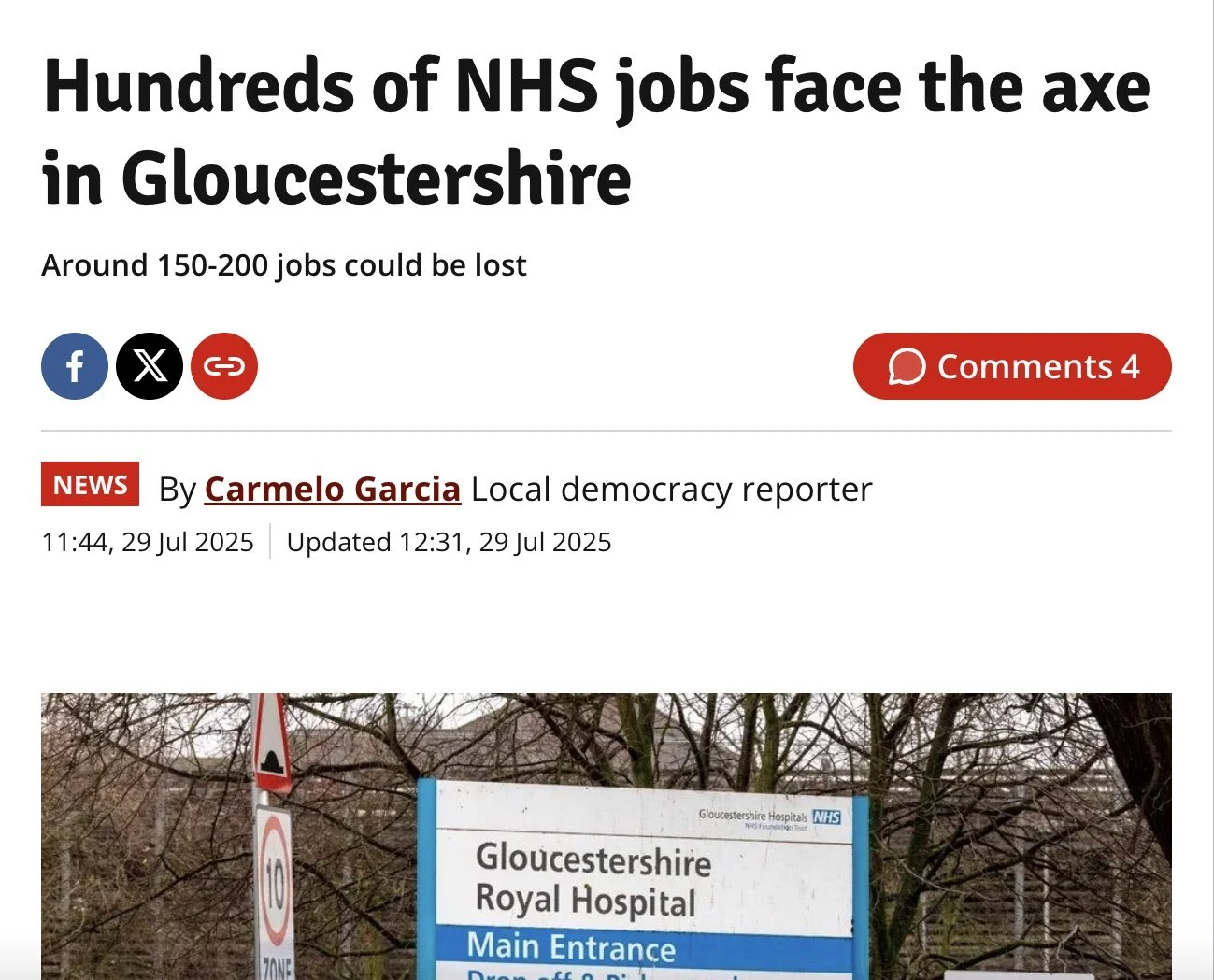
Band 5 nurses who supported labour ward were all laid off in August, being told there were ‘enough’ midwives now.
**When the LMNS and PQS minutes talk about “midwifery fundamentals,” it sounds like they are saying individual midwives forgot how to take blood pressure or listen to a baby’s heartbeat.
That’s not what this is.
The so-called “midwifery fundamentals” are routine antenatal observations
— blood pressure, urinalysis, fundal height, fetal heart auscultation
— and they can be missed when:
caseloads are impossible
Badger Notes documentation is slow or dysfunctional
midwives are constantly pulled into emergency cover
triage capacity is overwhelmed
continuity is broken
community teams are understaffed
leadership decisions destabilise community care
This is not individual error; it is system failure.
When midwives can’t complete basics, the question isn’t “Why didn’t a midwife check BP?” but “Why was the midwife covering 50 women, 10 triage calls, and a backlog of safeguarding paperwork while also being pulled into labour ward?”
This is the real backdrop to the stillbirth cluster.
Many women choose homebirth because they know it gives them the 1:1 continuity of care impossible in the hospital.
They know this is the safest option for them.
Documentation problems
— and how they contribute to the missing “midwifery fundamentals” that appear in the stillbirth cluster.
One theme appearing repeatedly in the LMNS and PQS minutes is “missed midwifery fundamentals”
— routine observations such as blood pressure, urinalysis, fundal height and fetal heart auscultation.
In maternity safety, these are not “optional extras.”
They are the core building blocks of antenatal care,
and they are often the first red flags for conditions like pre-eclampsia, fetal growth restriction,
infection or reduced fetal wellbeing.
But when fundamentals are not recorded,
this does not automatically mean they were not performed.
And this is where Badger Notes becomes highly relevant.
I am hearing from women directly that Badger Notes in Gloucestershire appears to function very differently from versions used in neighbouring counties like Herefordshire.

Women are comparing screens side-by-side and noticing:
missing fields
reduced templates
fewer structured prompts
slower loading times
difficulty entering observations
missing or inconsistent record summaries
dropped data entries
screens that freeze during upload
If a Trust purchases a cheaper or reduced-functionality implementation of Badger Notes
— and this does happen —
the system becomes a bottleneck rather than a safety net.

Homebirth Suspension & Birth Centre Closures — A Response Completely Misaligned with the Actual Safety Problems
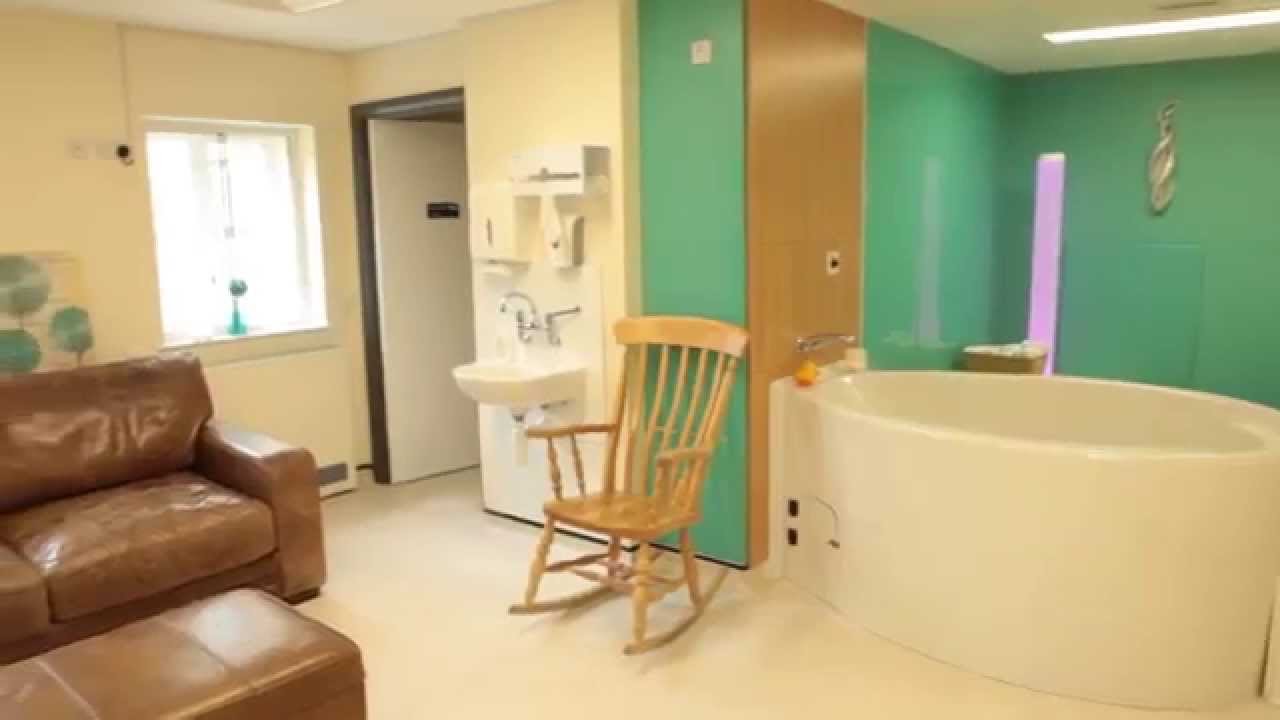
Meanwhile, as all of these concerns were playing out in internal governance meetings, something else happened.
The Homebirth Service was suspended,
and access to the Birth Centres was repeatedly restricted.
This is the most striking contradiction emerging from the LMNS and PQS minutes.
At no point in any of these documents is homebirth
— or midwife-led care more broadly —
identified as the system’s primary safety concern.
What is repeatedly mentioned are pressures and failings inside the hospital system itself:
staffing shortages on labour ward
rising induction and Caesarean rates
repeated escalations of severe tears
postpartum haemorrhage risk-assessment failures
missed antenatal fundamentals
overwhelmed triage services
dashboard instability and data gaps
delays in stillbirth, neonatal death and maternal death reviews
This short film is an accurate depiction of how midwives are living,
working, and doing their absolute best under,
quite frankly,
totally unacceptable conditions,
despite being an affluent 1st world country.
These are not homebirth issues.
These are not Birth Centre issues.
These are symptoms of a hospital-centred system under strain
— especially in triage, obstetric pathways, and core antenatal safety processes.
Yet the services being restricted or suspended were the ones with:
✅ the lowest intervention rates
✅ the highest maternal satisfaction
✅ the strongest evidence base for safety when appropriately staffed
✅ the greatest ability to relieve pressure on overstretched obstetric units
This is upside-down decision-making.
Closing or reducing Birth Centre capacity forces more women into an already overrun triage and obstetric system,
precisely where the risks identified in the minutes are concentrated.
It does not increase safety
— it redistributes risk back into the part of the service least able to absorb it.
A functioning Birth Centre is not a luxury.
It is a clinically essential pressure valve.
Ring-fencing its staff and protecting midwife-led pathways is an evidence-based safety strategy used internationally to:

prevent unnecessary intervention
reduce C-section rates
reduce severe perineal trauma
(3rd & 4th degree tears)ease triage congestion
support continuity of care
improve outcomes across the board
Restricting or closing these services does the opposite.
It increases intervention, increases escalation, increases crowding on labour ward, increases triage delays, and diminishes the ability of midwives to carry out the antenatal fundamentals that the stillbirth cluster reviews have already identified as a major point of failure.
And then — on top of this — the homebirth service was suspended entirely.
This happened:
⚠️ without published risk assessments
⚠️ without meaningful consultation
⚠️ without equality impact assessments
⚠️ without transparent governance
⚠️ without any evidence in the LMNS minutes that homebirth was the origin of the safety concerns
⚠️ and without clear demonstration that all alternatives were explored
I have already requested the risk assessments and AEQUIP documentation behind the suspension.
The Trust has now breached the statutory deadline,
and the matter is with the Information Commissioner.
What is emerging is a picture where the safest, most stable parts of maternity care
— midwife-led birth centres and homebirth —
are being dismantled,
while the areas with the most documented safety concerns are being overloaded further.
No system can improve when decisions move in the opposite direction to the evidence.
The Missing Reports
When reading the LMNS and PQS minutes, one thing becomes very clear:
They reference a large number of reports that were not released.
These include:
❌ Stillbirth Review (MIA)
❌ Stillbirth Cluster Review
❌ External Neonatal Death Review
❌ Maternal Death Review
❌ Perinatal Improvement Action Plan
❌ MDG paper on rising Caesareans
❌ BBA (Birth Before Arrival) report
❌ All versions of the Perinatal Assurance Dashboard
❌ Thematic analysis papers
❌ PSIRF/PSII reviews
If these are discussed in official safety meetings, they must exist.
And both the public and HOSC has a right to see them.
I have now submitted a single,
consolidated FOI request to the ICB asking for all of these documents to be shared.
This is not about blame.
It is not about scoring points.
It is time to move forwards now
with clarity, transparency and accountability
for families who rely on these services at the most vulnerable and monumental time of their lives.
Why?
We cannot talk honestly about maternity safety in Gloucestershire if only parts of the picture are visible.
We cannot meaningfully assess the decision to suspend the homebirth service without:
✅ the risk assessments
✅ the AEQUIP workforce documents
✅ the commissioning contract
✅ the governance papers showing the real pressures
And we certainly cannot rebuild trust while safety concerns from within hospital services
— rising stillbirths, increased PPH, labour trauma, review delays
— remain largely hidden from view.
Transparency is the first step to improvement.
Secrecy is the last step before collapse.
See the Documents for Yourself
I have created this public document library so that anyone can read the released LMNS/PQS minutes directly.
This page will be updated as further FOI responses arrive.
If you are a parent, birth worker, clinician or member of the public,
you deserve access to the same information I am reading.

Conclusion…
These governance papers do not show a maternity system failing because women are older, fatter, or make bad choices like homebirth!
Allowing women to make informed choices,
based on real world evidence, not fear, pressure or coercion would be a flying start.
These governance papers show a maternity system struggling with:
⛔️ clinical safety
⛔️ staffing pressures
⛔️ governance delays
⛔️ rising intervention rates
⛔️ missed fundamentals
⛔️ inconsistent data
⛔️ repeated serious incidents
The homebirth suspension does not address these underlying issues.
There are safe, experienced independent midwives,
who can help fill homebirth gaps,
and bring important skills, experience,
confidence and support back into Gloucestershire’s community teams.

I will continue to request full transparency from both the Trust and the ICB,
and I will publish every document I receive.