When Calling 999 Becomes a Threat: Coercion, Misinformation, and the Impact on New Mothers

A mother in Gloucestershire recently shared an experience that exposes a deep fault-line in our maternity system.
She birthed her baby at home.
The birth was straightforward.
Her baby took a few moments to organise his breathing
— perfectly normal for many newborns
— and by the time the ambulance arrived he was pink,
responsive and breathing normally.
She did the responsible thing.
She called 999 for help,
just in case.

But what unfolded next is utterly unacceptable.
A Well Baby,
a Fear-Based Message,
and a Threat of Police
At home, the ambulance crew assessed her baby and found him well.
Good colour. Good tone. Breathing normally. Well Oxygenated.
She wasn’t refusing care; she was asking sensible, informed questions:

“He looks fine now.
What is the actual level of risk?
What signs should I look for at home?”
Instead of receiving that information, the paediatrician
— speaking via phone to the ambulance crew
— insisted the baby was at “high risk of stopping breathing at any time” because he had mucus.
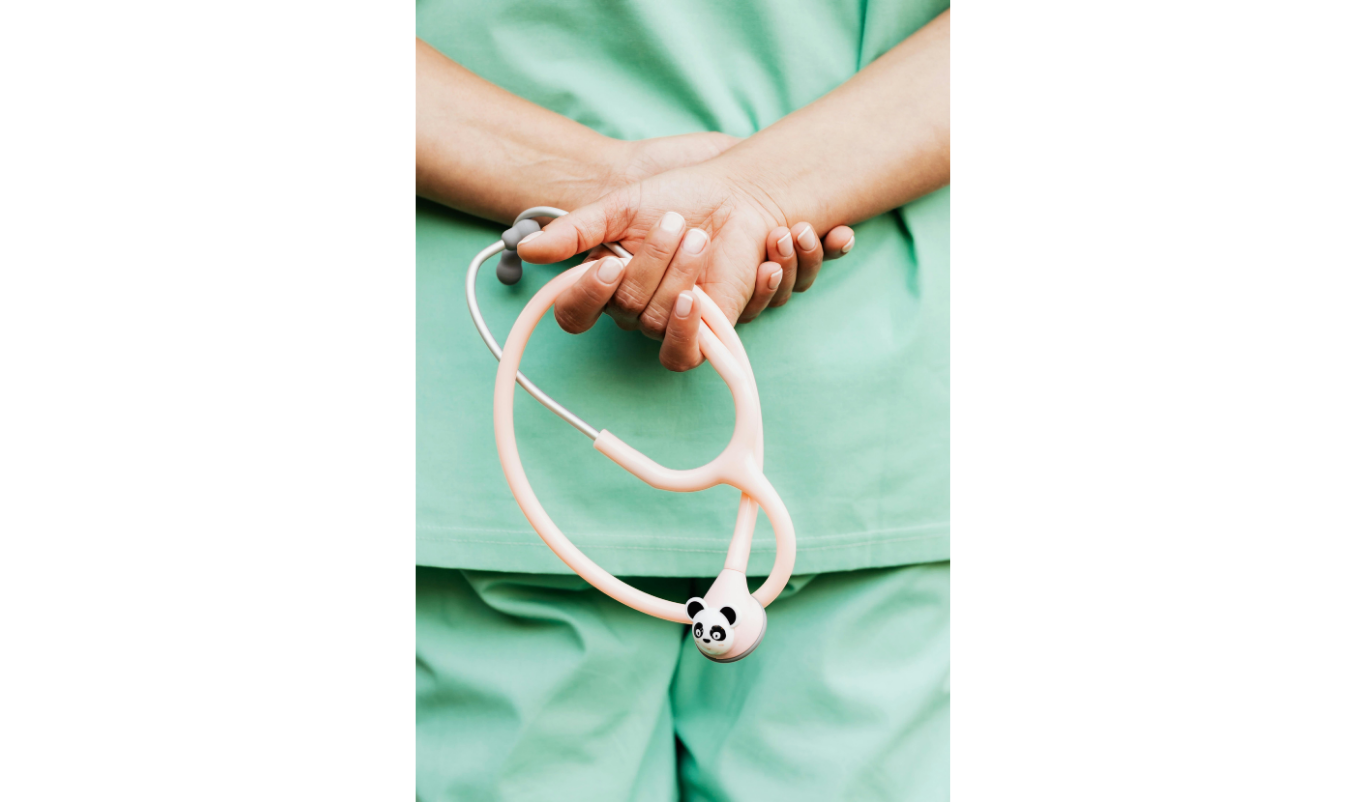
Anyone who has attended births knows how common mucousy newborns are.
Midwives manage this situation at births regularly, at home, without panic,
without hospital transfer, and certainly without threats.
But the next part is what tipped this from poor communication into outright coercion:
She was warned that if she didn’t bring her well baby to hospital,
the police would be involved!!!

A brand-new mother.
Minutes after birth.
Being threatened with police over a baby who was clinically well.
This is exactly the kind of institutional behaviour that drives women away from maternity services.
Let’s Talk Law — Because the Law is Clear
Montgomery v Lanarkshire (2015)
Parents have the right to:
balanced and accurate risk information
understanding of alternatives
shared decision-making
freedom from pressure or coercion
Threatening police involvement is a direct breach of this standard.
Children Act 1989 — The Real Threshold
Professionals may only override parental responsibility if a child is at:
“immediate risk of significant harm.”
A baby who is:
breathing normally
pink
responsive
showing no signs of distress
…does not meet that threshold.
Section 46 Police Protection
Police can remove a child for up to 72 hours only if they believe the child faces immediate significant harm.
Section 46 is intended for situations like:
a child found alone in unsafe conditions
severe physical abuse
intoxicated carers
immediate risk of violence or life-threatening neglect
a baby in active medical crisis where the parent refuses life-saving intervention
A clinically well newborn at home
does NOT meet this threshold.
Police are not there to enforce hospital policy.
They do not act on a paediatrician’s preference or anxiety.
They must make an independent judgment
— and they almost never intervene when the baby is clinically well.
Invoking “police involvement” in this context was not just wrong
— it was unlawful in spirit and deeply unethical.
Section 44
If professionals think a baby is actually unsafe,
they must go to court
A Section 44 Emergency Protection Order is the legal route that involves a judge.
Hospitals cannot get that instantly.
They need:
evidence,
a legal representative,
a court,
and a judge willing to grant it.
This is why professionals sometimes bluff with police involvement
— because Section 44 isn’t quick enough and they know they don't have a case.
New Mothers Are Physiologically Vulnerable — Fear Has Consequences
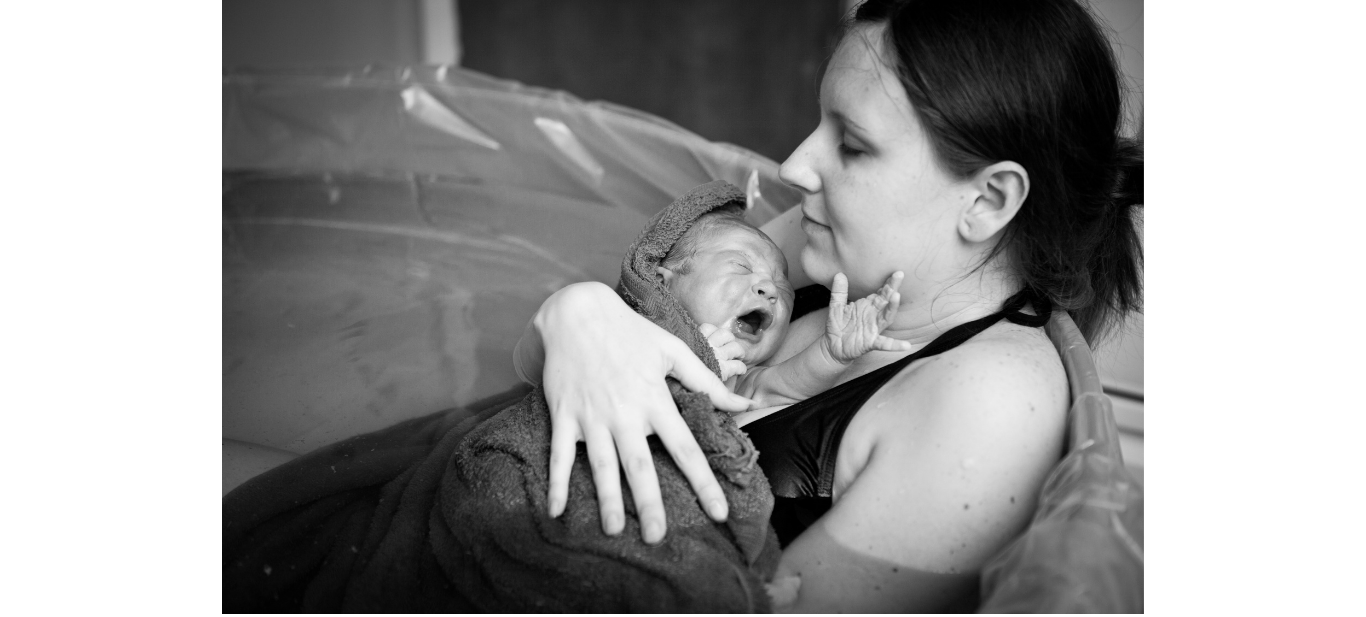
There is a biological cost to threatening a woman minutes after birth.
The mother had just delivered her baby.
Her body was still flooded with:
oxytocin (the hormone that protects bonding, breastfeeding and post-birth recovery),
and endorphins (nature’s stabilisers).
When a professional uses fear:
cortisol spikes
the mother’s nervous system tips into fight-or-flight
oxytocin plummets
This isn’t emotional fluff — it’s physiology.
A stress-induced drop in oxytocin can:
increase the risk of postpartum haemorrhage
disrupt breastfeeding reflexes
increase pain perception
make the newborn’s own transition harder
raise the mother’s risk of postnatal depression and anxiety
The NHS talks endlessly about trauma-informed care.
Yet here, a brand-new mother was pushed into a fear state immediately after birth.
That is not trauma-informed — it is trauma-inducing.
Was a Busy Hospital Ward Really in This Baby’s Best Interests?
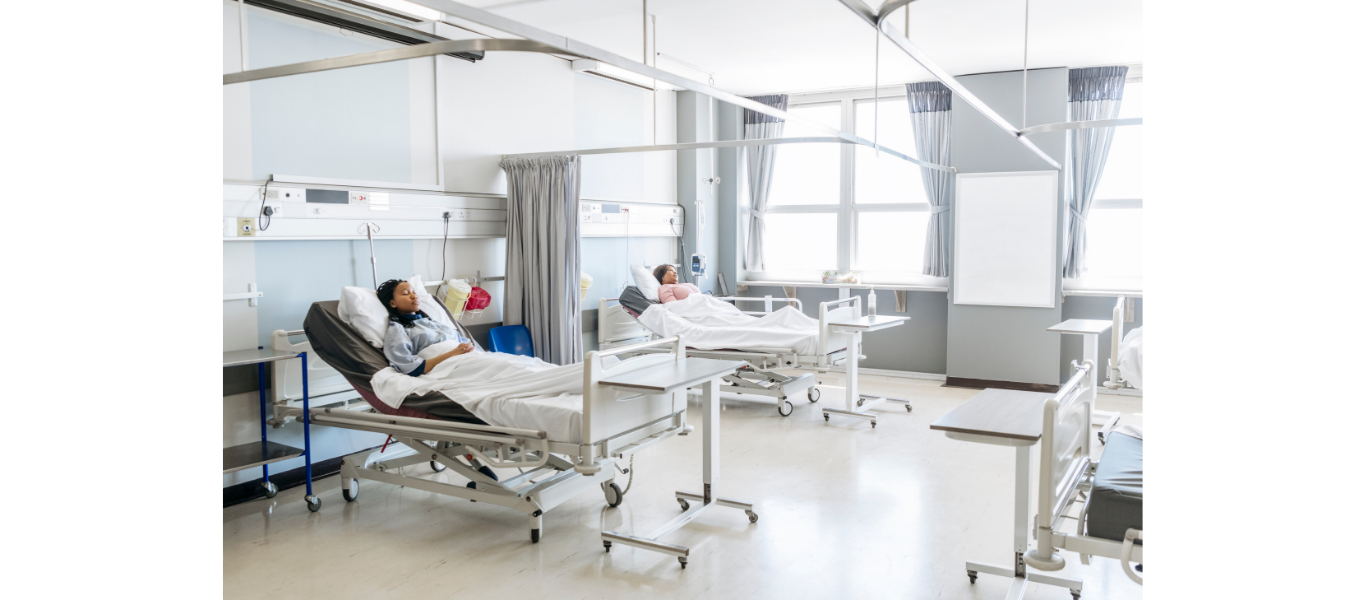
Had she been intimidated into going in,
mother and baby would have been taken to a bright,
noisy,
overstimulating postnatal ward
— the exact opposite of what supports newborn wellbeing and effective bonding and breastfeeding.
On these wards:
skin-to-skin is often interrupted
breastfeeding support is inconsistent
babies are handled by multiple unfamiliar staff
sleep cycles are disrupted
infection exposure is dramatically higher
And critically:
Many well newborns test positive on infection markers in hospital simply because they were born.
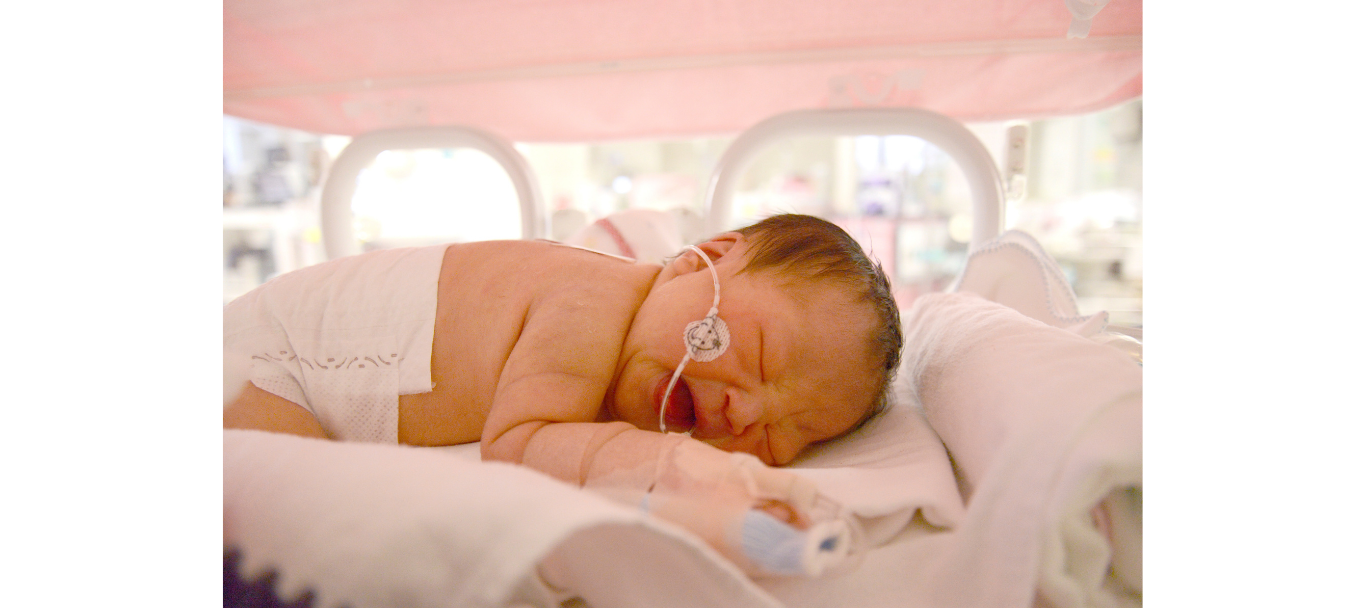
Raised inflammatory markers are common in newborns, even without infection.
Once flagged, hospital protocol often leads to:
automatic IV antibiotics
lumbar punctures
cannulas
separation
painful, unnecessary procedures
This over-treatment is well documented.
Long-term risks of early antibiotics include:
(As shown in multiple cohorts and microbiome studies)
increased rates of eczema
higher risk of asthma
altered gut microbiome linked to childhood diabetes
increased respiratory infections
higher risk of obesity and metabolic dysregulation
increase in antibiotic resistance bacterial illnesses
These aren’t fringe theories
— they’re consistently observed associations in paediatric immunology and microbiome research.
So the question is simple:
Was dragging this well newborn into a chaotic, overstimulating ward
— with a high chance of unnecessary antibiotics
— really safer than staying skin-to-skin with his mother at home?
No.
It wasn’t.
Why This Story Matters for Every Family
This mother stood her ground.
She stayed calm.
She asked the right questions.
She had good, steadfast support.
And when the professionals realised she understood her rights,
the pressure evaporated.
But not every mother is in that position.
Not every mother knows the law.
Not every mother has the confidence, or the support, minutes after giving birth, to resist fear-based tactics.
And this is why stories like this matter.
Because when the system:
overstates risk,
misuses safeguarding language,
and weaponises police involvement…
…it erodes the very trust that keeps families safe.
Women must be able to call for help without fearing punishment.
They must be able to ask questions without being threatened.
They must be respected as decision-makers in their children’s lives.
That’s not radical.
That’s the law.
And it’s basic human decency.
Why Following the Complaints Process Matters
and the Parliamentary and Health Service Ombudsman

When something goes wrong in maternity care, most families just want to move on.
The idea of entering a complaints process can feel draining, bureaucratic, or even pointless.
But formally raising concerns is one of the most powerful tools ordinary people have to hold the system accountable
— and it protects not only your own family,
but the families who come after you.
A complaint isn’t about punishing an individual midwife or doctor.
It’s about ensuring the incident becomes part of the official record so the system cannot quietly bury it.
Hospitals function on paperwork: if it isn’t documented,
then in the eyes of the institution,
it simply didn’t happen.
A formal complaint forces the Trust to:
examine what happened,
justify the decisions that were made,
assess whether staff followed the law and clinical guidance,
and put in writing what they intend to change.
That record becomes part of the institutional memory.
Repeated complaints form patterns.
And patterns create evidence.
This is how systemic issues — coercion, misuse of safeguarding language, inappropriate police threats, misinformation, understaffing, or unsafe protocols — become visible and undeniable.
Without complaints,
each incident sits alone,
an anecdote rather than a symptom.
If the Trust’s response is dismissive, defensive,
or fails to address the real concerns,
the next step is the Parliamentary and Health Service Ombudsman (PHSO).
The Ombudsman is independent.
They do not work for the NHS.
Their role is to investigate service failures, breaches of duty, misinformation, coercion, and injustice.
They have the authority to demand action and require the Trust to make changes.
Taking a case to the Ombudsman signals that:
you were not listened to,
the Trust failed to respond honestly,
and the issue has implications beyond your individual experience.
It sends a clear message:
“This behaviour is unacceptable, and it will be scrutinised.”
For many women, especially in maternity care where power imbalances are entrenched, making a complaint is the first step in reclaiming authority after being dismissed or pressured.
It is not vindictive
— it is civic participation in a system that urgently needs oversight.
And support exists.
The Gloucestershire Maternity Action Group (G-Mag) is here to help women navigate this process.
You can join as a member and receive:
advocacy support,
help drafting complaints,
guidance on next steps,
emotional backing,
and signposting for legal or parliamentary escalation if needed.
Nobody should face this alone.
Complaints — and, when necessary, Ombudsman escalation — are how change happens.
Not through hashtags or platitudes, but through documented evidence that forces the system to confront the reality of its own decisions.