Two Powerful Routes for Women to Take Action When Home Birth Services Are Removed

And why doing it yourself is not only possible, easy, and powerful!
Across Gloucestershire, women have just had their home birth service removed
— abruptly, without consultation, without exploring alternatives, and without any credible plan to maintain safe midwife-led care.
This isn’t a minor inconvenience.
It is a breach of trust, a breach of public duties, and a direct threat to women’s safety and autonomy.
If we don’t challenge these decisions now,
our daughters will inherit a maternity system where the safest options are no longer available.
Services don’t magically return once they’re cut.
They only return when women force them to.
That means speaking up, challenging unlawful decisions, and refusing to carry the burden silently.
Many women assume that “legal action” means finding a solicitor,
handing over control,
and hoping someone else fights their corner.
But you do not need legal representation to challenge a public body.
You are absolutely capable of filing a complaint,
escalating it,
or even speaking directly to a judge in a small claim.
It is empowering,
it is straightforward,
and it reminds public bodies who they are meant to serve.
I’m fighting this at the policy level — through scrutiny committees, FOI disclosures, legal frameworks, and public accountability.
But we need individual women to stand up and take action too.
Without that collective force, the Trust will decide this silence equals acceptance.
Below are the two routes available to every woman who has been harmed,
put at risk, or forced to pay for alternative care because the NHS suspended its home birth service.
Why this matters
The NHS Gloucestershire has paid out more than £20 million in birth injury claims because of unsafe care.
The very least they can do is pay the £8–10k
it costs you to hire a qualified Independent Midwife as preventative care
to keep your baby and your body safe from harm and unnecessary interventions.
Trust board members early £300 - £350k per year
Thats £25k+ PER MONTH
YOU - AND YOUR BABY DESERVE THIS CARE
When you file your own claim,
you speaks directly to the system that harms you, your baby, and others
— and the system has to answer back.
This route is about justice and compensation for real losses,
not token gestures.
Home Birth Is Safe — And They Know It
Let’s speak plainly:
Home birth is safer for women.
It is as safe for babies as hospital birth in the short term.
It has better outcomes on trauma,
intervention rates, and overall wellbeing
— when supported by an experienced midwife who knows the mother.
Removing home birth does not make women safer.
It strips away their safest option.
And refusing to fund alternatives when they remove the service is not only unethical
— it is legally questionable.
Why Women Must Act Now
Public bodies do not willingly restore services.
They respond to pressure.
They respond to scrutiny.
They respond when women refuse to be silenced or carry the cost of their failings.
If women do not challenge this, the Trust will mark the suspension down as “accepted”. And home birth, once removed, is tremendously difficult to rebuild.
Your action matters.
Your voice matters.
Your loss matters.
Your experience matters.
And you have every right
— legally and morally —
to demand accountability from a system that has failed to keep you safe.
Route 1: The Ombudsman (PHSO)
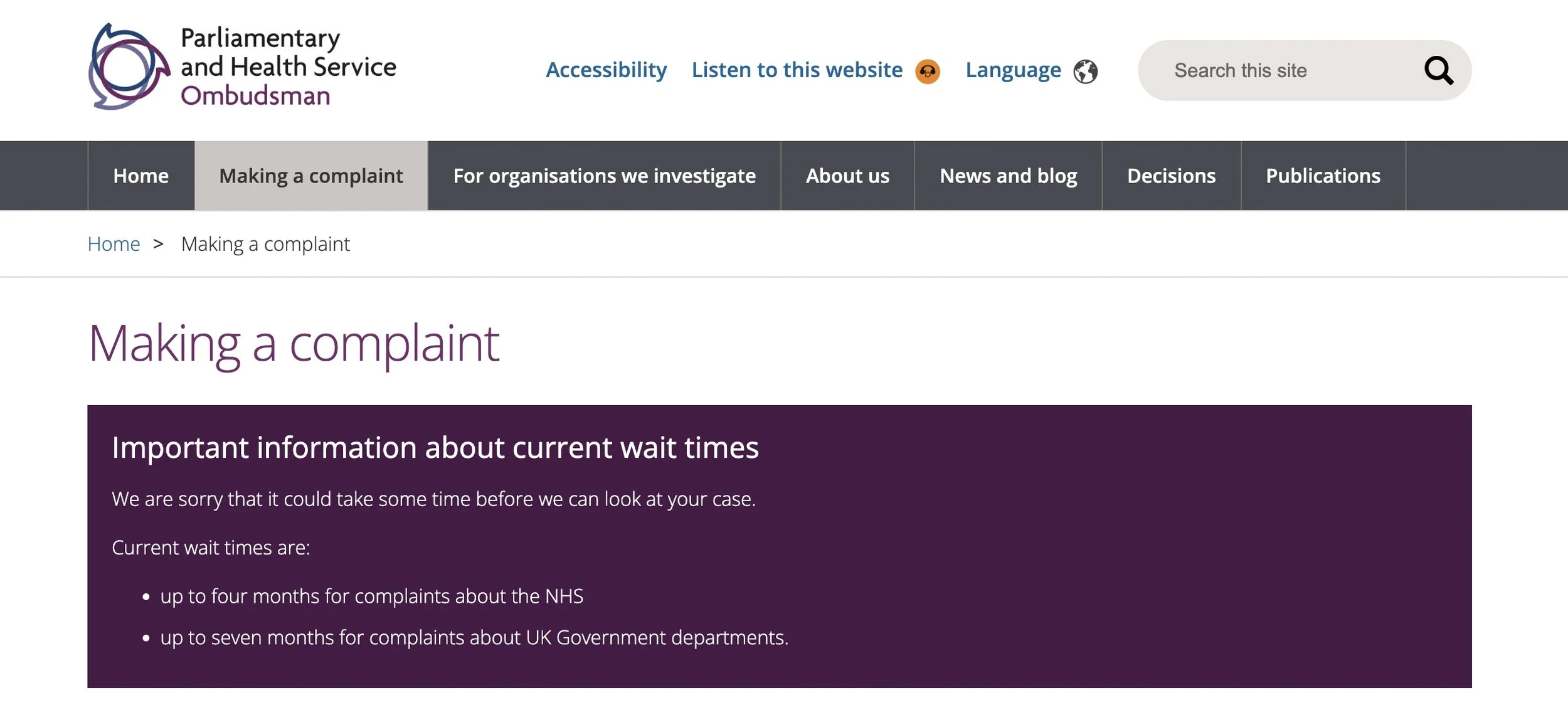
A simple, accessible route that anyone can use without a lawyer.
This is the Parliamentary and Health Service Ombudsman
— the watchdog responsible for holding NHS Trusts to basic standards of fairness and legality.
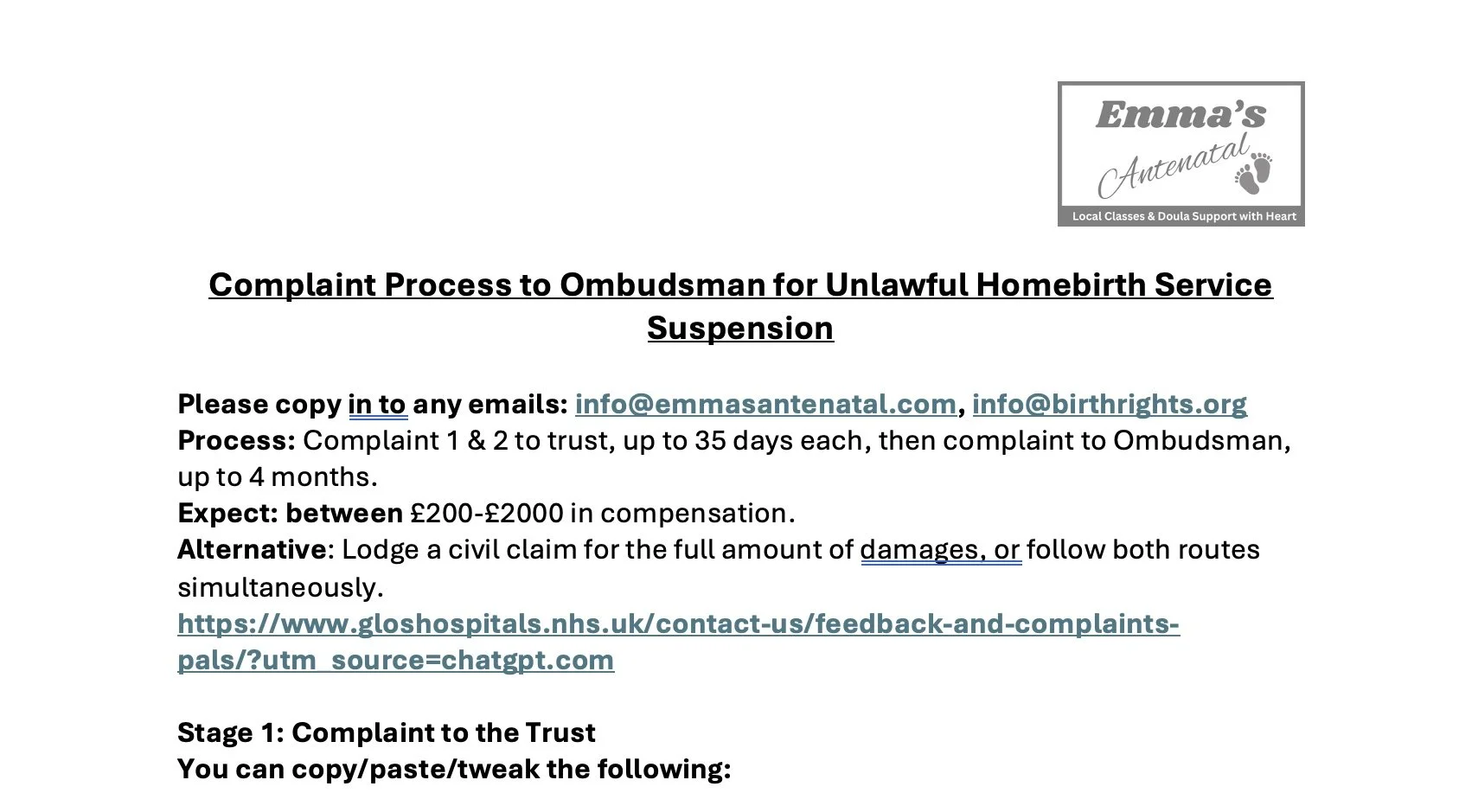
Before you reach them, you need to complete the Trust’s internal complaint stages
(usually Stage 1 and Stage 2).
After that, you go directly to the PHSO.
What the Ombudsman can do:
Rule that the Trust acted unfairly or unlawfully
State that you were denied a service you should have been able to rely on
Recognise the distress, harm, or impact caused
Order the Trust to apologise
Recommend process or policy changes
Award financial compensation
The compensation is usually modest
— hundreds to a couple of thousand pounds —
But it becomes part of the public record.
It shapes national policy.
It contributes to the evidence of what women are experiencing.
Women can – and do – file their own PHSO cases easily, and successfully.
This route is about accountability and creating formal recognition that what happened was wrong.
Click picture for document / email addresses and links…
Route 2: A Private Claim for Damages
Direct, empowering, and often far more financially meaningful.
A civil claim is where you hold the Trust financially responsible for what their actions cost you.
And there is no rule that says you must use a solicitor.
Women can file their own claim.
You can speak directly to a judge.
(Judges often like to hear directly from real people)
You can explain what happened in your own words,
clearly, calmly, and powerfully.
The court wants facts, not legal jargon.
What counts as “loss” or “harm”?
You do not need to be physically injured.
A claim can be based on:
• Paying for an Independent Midwife because the Trust removed home birth
This is a recoverable financial loss.
Courts already recognise this principle in other NHS cases
where women were forced to pay privately due to service failures.
• Paying for a doula for safety, support, continuity, or advocacy
If this was directly caused by the suspension of home birth, it can count.
• Psychological distress
Anxiety, trauma, stress, or loss of trust caused by the sudden removal of care.
• Unwanted interventions
If you underwent interventions because your home birth was denied, this is recognised harm.
• Loss of autonomy
UK law recognises that denying a woman meaningful choice
— as in Montgomery v Lanarkshire — is itself harm.
None of this requires a solicitor.
Small claims processes are designed for ordinary people to use,
without lawyers, without jargon, without games.
THE CIVIL CLAIM ROUTE LAID OUT PLAIN
Step 1: Decide the value of your claim
This determines which court process you use.
• If your losses are under £10,000
→ small claims track
(the easiest route, designed for people without lawyers).
Most women will fall into the £8–£10k band for IM fees, so this works perfectly.
Step 2: Send the Trust a “Letter Before Action”
This is required under the Pre-Action Protocol.
It’s basically a final warning:
“I want reimbursement. You have 14 days to respond. If not, I will file a claim.”
It doesn’t need legal jargon.
It’s simply showing the court you acted reasonably.
Step 3: Wait the required period (14 days to 30 days)
The NHS usually won’t engage, or they’ll say:
“We deny liability. Please go away.”
Perfect.
That’s exactly what you need to proceed.
Step 4: File the claim online (Money Claim Online)
Here comes the exciting part…
Don’t be put off by the officialdom, just one step at a time.
CONTACT ME any time if you need any kind of support.
You go to:
www.moneyclaim.gov.uk
CLICK PICTURE BELOW
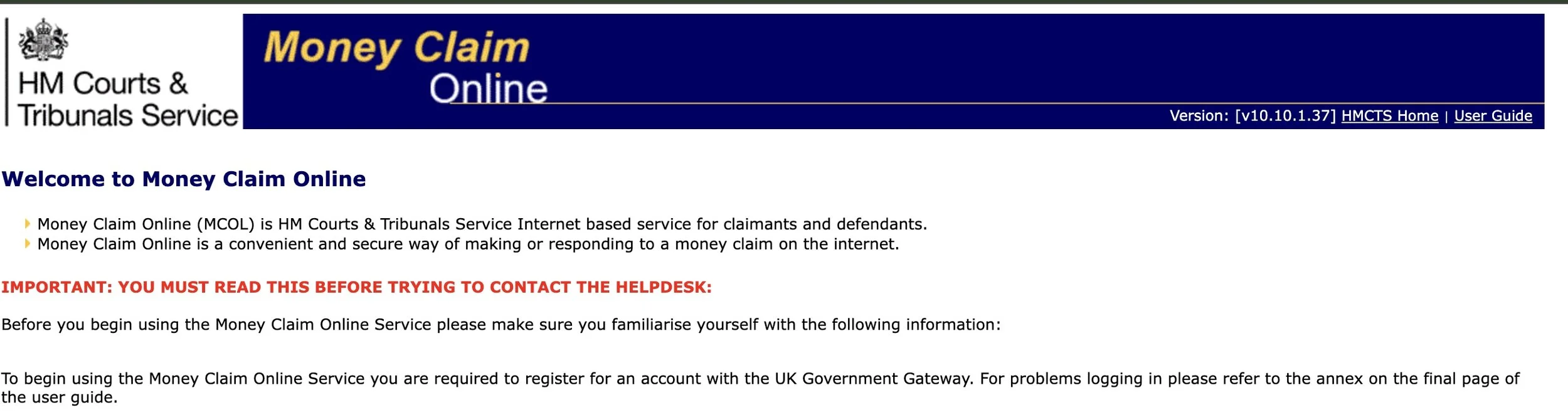
Set up an account.
Choose “Start a claim”.
You’ll be asked for:
• Defendant: Gloucestershire Hospitals NHS Foundation Trust
• Their registered address:
Gloucestershire Hospitals NHS Foundation Trust
Trust Headquarters, Alexandra House (2nd Floor)
Cheltenham General Hospital
Sandford Road
Cheltenham
Gloucestershire
GL53 7AN
• The amount you’re claiming
• Court fee (this is added to your claim and refunded to you if you win)
• “Particulars of Claim” — a short explanation of what happened
You write something like:
“The defendant withdrew the home birth service in 2024 without providing alternatives.
As a direct result I incurred losses of £X by hiring an Independent Midwife to ensure safe maternity care.
This was a foreseeable and reasonable expenditure caused by the defendant’s breach of duty.”
Once filed, the Trust has 14 days to acknowledge and 28 days to defend.
Step 5: The Trust enters a defence
This is standard.
They rarely admit liability.
A lawyer will write something bland like:
“The Trust denies the claim.”
This is normal and does not mean anything has gone wrong.
Step 6: Directions Questionnaire
A one-page form asking:
• Do you want mediation? (optional)
• Do you need an expert? (No for most claims)
• Do you want the hearing near your home? (Yes)
** Very simple **
Step 7: Mediation (optional)
Most NHS Trusts won’t settle at mediation
— but if they do, you’ve already won.
If not, it goes to a hearing.
Step 8: Your hearing
This is not like criminal court or family court.
It’s extremely normal and calm.
A judge sits at a table.
You explain what happened.
The Trust’s representative tries to justify themselves.
The judge asks a few questions and makes a decision.
Often hearings are:
— 30–45 minutes
— Offered by phone or video
— Very human and straightforward
Judges are used to unrepresented claimants.
They will guide you through what matters.
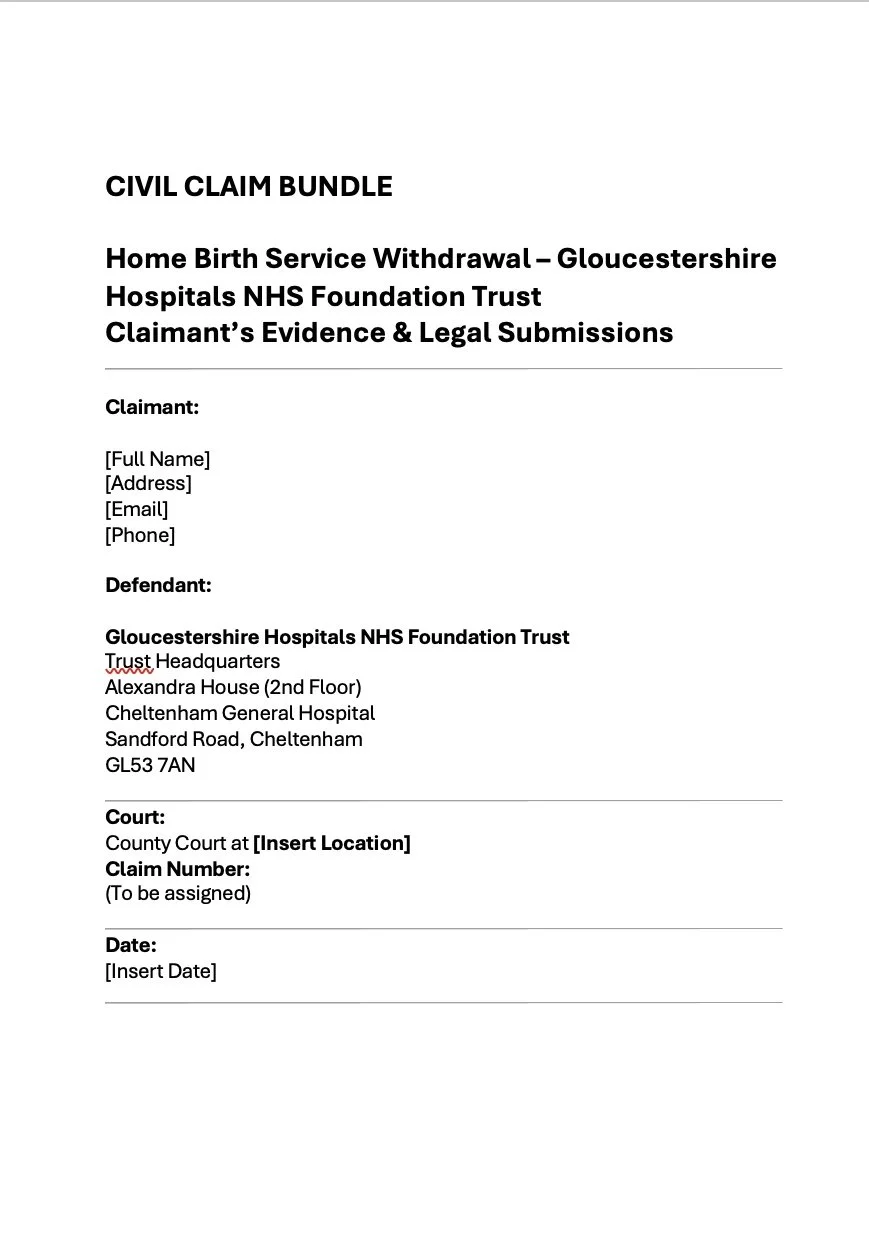
I’ve put together a comprehensive Civil Claim Bundle with all the relevant public law, human rights protections and case law showing why the blanket suspension of home birth was unlawful. Women can use this to hold the Trust accountable and claim back the costs they were forced to take on.
If you need help using the document or support with any part of the process, you are welcome to contact me directly.
Emma 07922-505-272
Step 9: Judgement
If the judge agrees the Trust’s removal of home birth forced you into financial loss, you win.
The Trust must pay:
• your claim amount
• your court fee
• your interest
• sometimes an additional modest amount for distress
And:
They get a judicial decision on record that their actions caused harm.
Support Me
Everything I am doing is a gift to the world - to our sisters, daughters, and grandaughters yet to come.
Let’s leave them a world where they will be respected, safe and truly supported during birth. Let’s leave a better world.
Every donation will be used in this important Maternity Advocacy Campaign.