

Birth Advocacy in
Gloucestershire & Beyond
•Holding Systems Accountable •
• Amplifying Women’s Voices • Inspiring Change•
Welcome to my Birth Advocacy Collection
— a dedicated space for birth workers, midwives, doulas,
activists, and community allies who care about the future of maternity care in Gloucestershire and beyond.
Here, I share my ongoing work in policy analysis, Freedom of Information (FOI) requests,
template letters, and local advocacy,
shining a light on what’s really happening behind the scenes in our maternity services.
My goal is to make this information transparent and usable
— to support those striving for continuity, compassion, and genuine co-production in birth care.
Whether you’re a professional looking to improve practice,
or a parent determined to protect your rights, you’ll find tools, evidence, and reflections here to help fuel meaningful change.
Why It Helps to Understand the History of UK Birth Policy
To understand today’s maternity crisis, we have to look back.
From the pioneering Albany Midwifery Practice to the hopeful Better Births reforms — and the dismantling that followed through the loss of supervision, the COVID collapse, and the Ockenden fallout — this timeline traces how continuity of care was built, broken, and why its loss now costs lives.

Midwifery attendance for home births suspended in Gloucestershire: Women Deserve Better
When NHS home-birth services are suspended, women’s legal right to birth at home does not disappear — but the support that makes that choice safe and trusted does. Gloucestershire’s withdrawal of home-birth midwifery cover leaves families without professional care, continuity, or confidence. This open letter calls for transparency, creative staffing solutions, and respect for women’s rights.
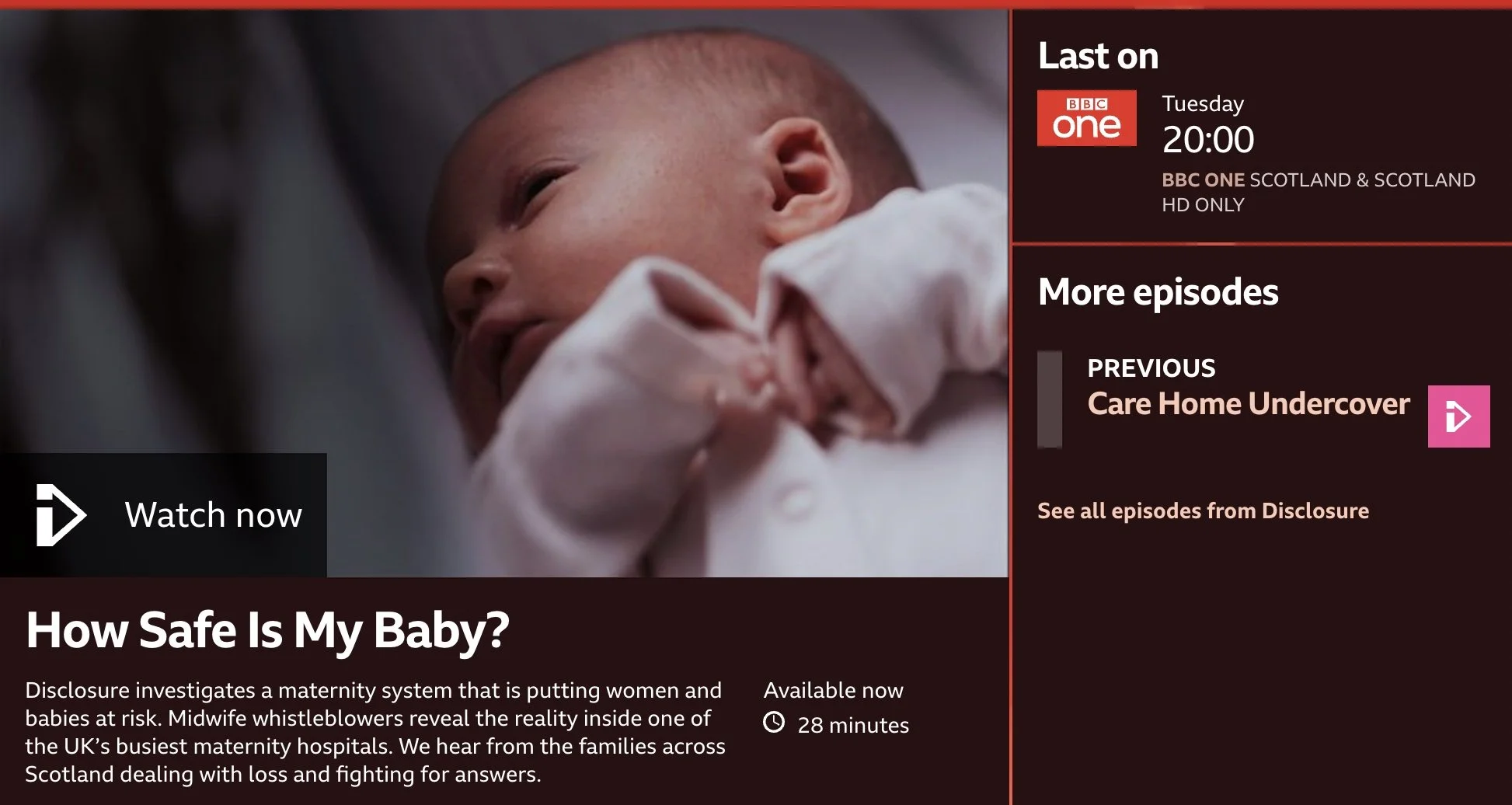
How Safe Is My Baby? The Truth Behind Our Failing Maternity System
When BBC Disclosure aired “How Safe Is My Baby?”, it echoed the same themes that surfaced in the tragic case of Jennifer Cahill — exhausted midwives, unsafe staffing levels, and families caught in the cracks of a broken system.
In this article, I explore what’s really behind these tragedies: not “bad midwives” but an overstretched, fragmented model of care that fails to value relationships. I also share practical steps every family can take to stack the odds in their favour — through good nutrition, hydration, continuity, and body awareness.
Because real safety in birth doesn’t come from control — it comes from connection, knowledge, and respect.
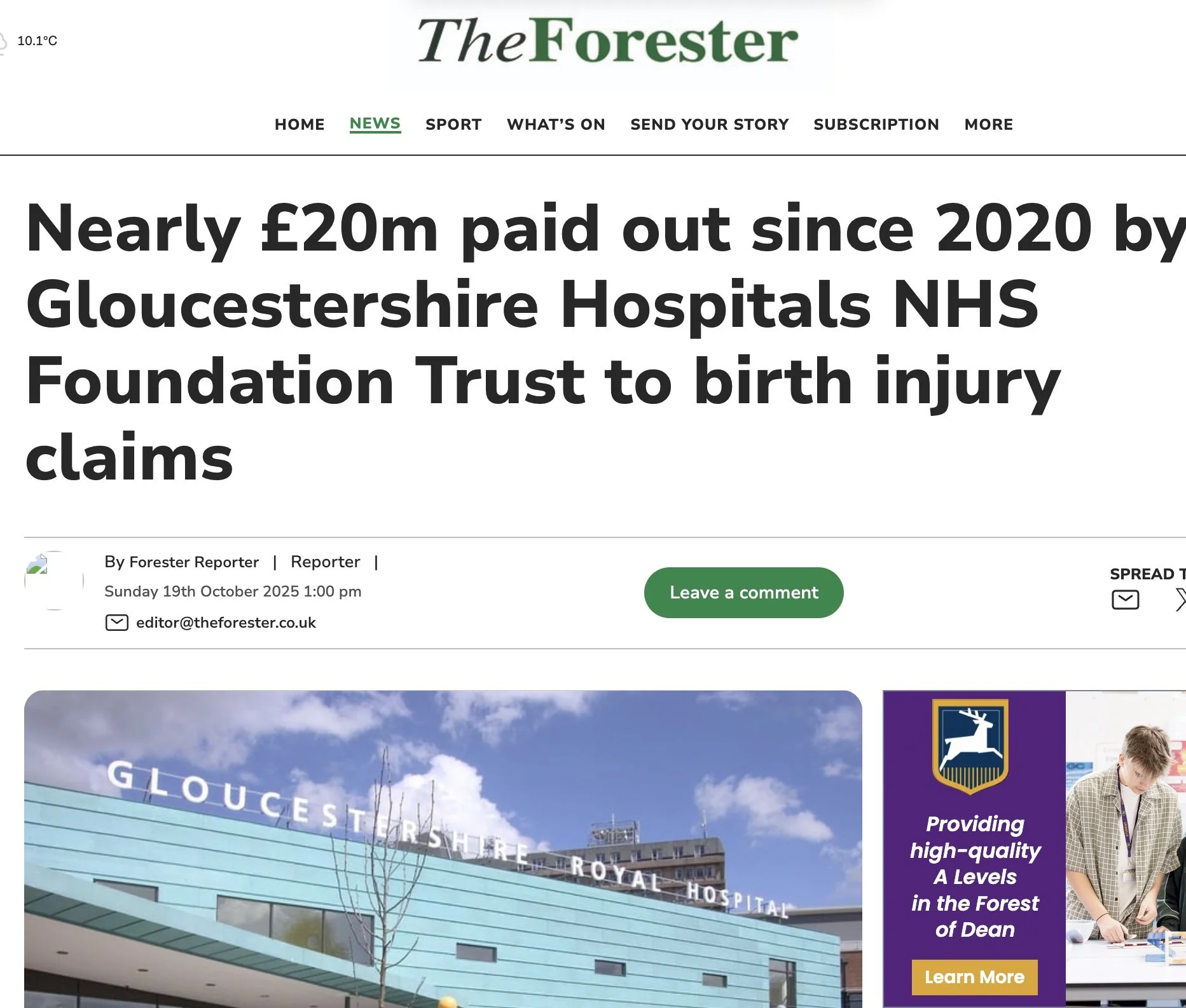
Nearly £20 Million Paid Out in Birth Injury Claims — What This Really Tells Us About Maternity Care
Nearly £20 million has been paid out in birth-injury claims by Gloucestershire Hospitals since 2020 — but what these figures really show is a system that’s failing women and families. This post explores how the loss of continuity of care has made maternity services less safe, and why rebuilding small, trusted teams could save lives — and money.

Co-Production or Consultation? What Gloucestershire’s Maternity Papers Reveal — and Why True Collaboration Matters
After submitting Freedom of Information requests to Gloucestershire NHS bodies, I examined the documents claimed as evidence of “co-production” in maternity services. What I found was activity without accountability — meetings, events, and reports that spoke the language of collaboration but delivered little change. Here’s what the papers reveal, and why true partnership still matters.After submitting Freedom of Information requests to Gloucestershire NHS bodies, I examined the documents claimed as evidence of “co-production” in maternity services. What I found was activity without accountability — meetings, events, and reports that spoke the language of collaboration but delivered little change. Here’s what the papers reveal, and why true partnership still matters.
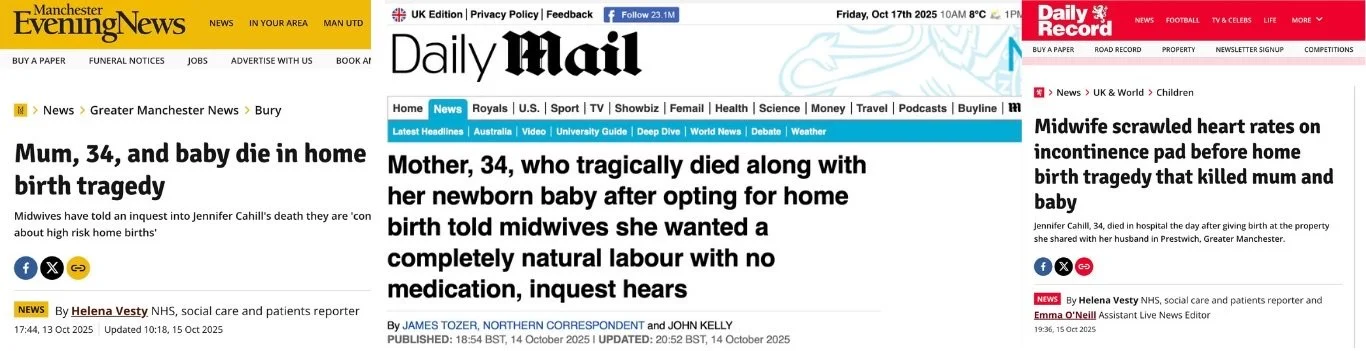
Prestwich Home Birth Tragedy and How Lack of Continuity Costs Lives
Jennifer’s story isn’t about reckless choices — it’s about a reckless system.
A system that replaces relationships with flow charts and calls it safety.
Continuity of care saves lives.
Fear and fragmentation cost them.

Informed Choice and the Choice to NOT Know
Across Gloucestershire and beyond, conversations around informed choice and consent in maternity care are more important than ever. From birth plans and homebirth decisions to the way information is shared during labour, women deserve to be listened to and supported as active partners in their care. This article explores how the landmark case Montgomery v Lanarkshire (2015) shaped the legal and ethical foundations of consent — and why understanding it matters for both women and maternity professionals.

⭐️ Free ⭐️ Birth Companion & Advocacy Support for POC, Vulnerable & Minority Communities in the Forest of Dean (Copy)
Becoming a parent is a big moment — and everyone deserves support, safety, and respect. Each month, I’m offering one free Doula (Birth Companion) & Advocacy place for someone in the Forest of Dean from a minority or migrant community — such as Romanian, Indian, Polish, Zimbabwean, refugee/asylum-seeking and other under-represented families.
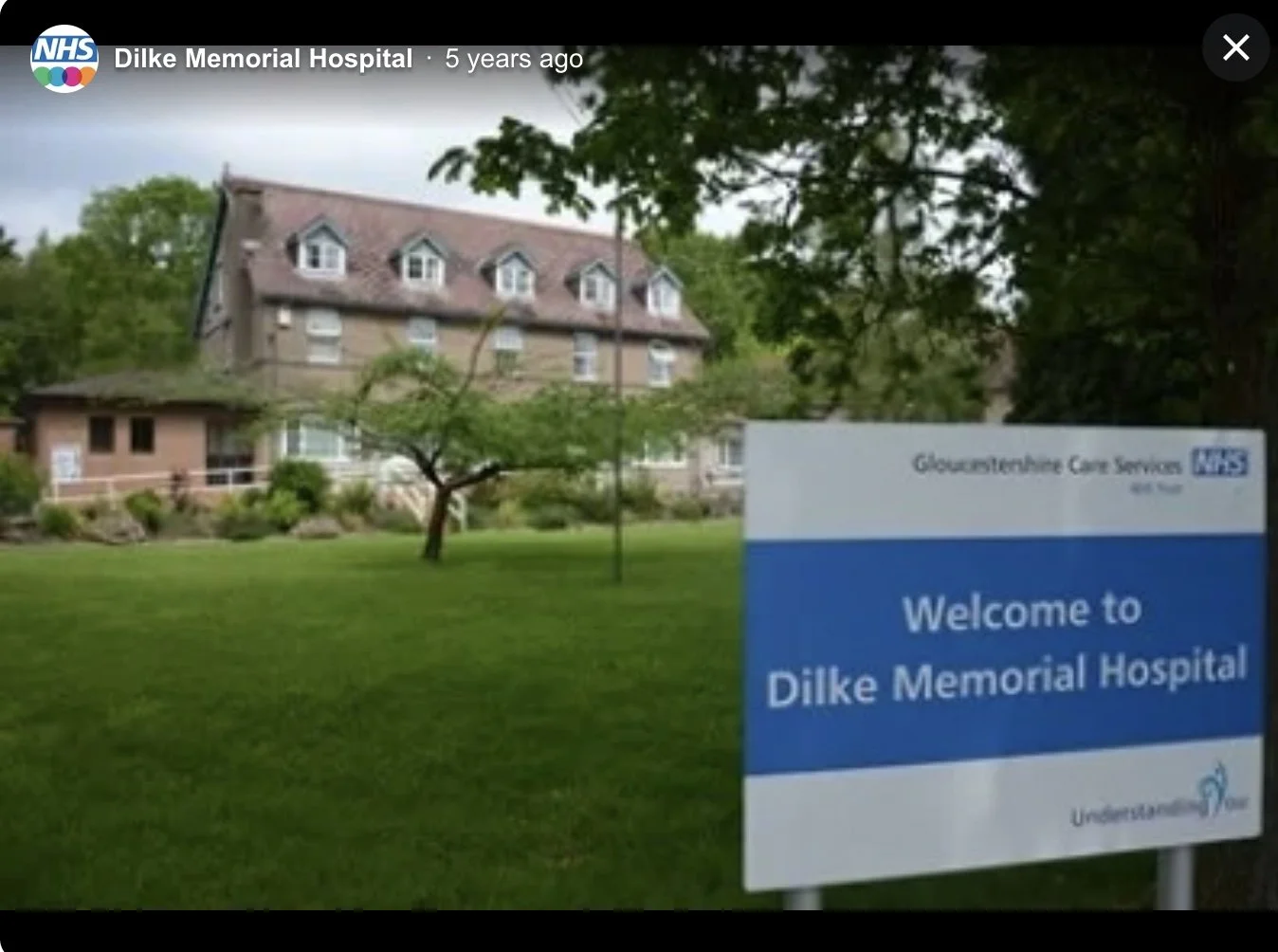
Birth Services in the Forest of Dean: What’s Really Happening?
For decades, families in the Forest of Dean could give birth locally at Dilke Memorial Hospital. With its closure in 2024, there are now no maternity services in the Forest — and women are being sent to Gloucester Royal, a unit rated inadequate for safety. A recent review found nine neonatal deaths with “missed opportunities” in care, while many families say planned home births are cancelled at short notice.
So what does this mean for choice, safety, and community care? And how much say do we really have in the so-called “co-design” of local maternity services?

Birth Services in the Forest of Dean: What’s Really Happening? (Copy)
For decades, families in the Forest of Dean could give birth locally at Dilke Memorial Hospital. With its closure in 2024, there are now no maternity services in the Forest — and women are being sent to Gloucester Royal, a unit rated inadequate for safety. A recent review found nine neonatal deaths with “missed opportunities” in care, while many families say planned home births are cancelled at short notice.
So what does this mean for choice, safety, and community care? And how much say do we really have in the so-called “co-design” of local maternity services?

Free Birth In The Media
Recent media portrayals of freebirth and doulas advising women against medical advice are nothing short of fear-mongering propaganda. The truth is far more nuanced, and frankly, more damning for the state of maternity care in the UK. Instead of addressing the systemic issues driving women to explore alternatives, the media—with its clear agenda—seeks to demonise those who dare to question the failing system.
Let’s be clear: the NHS is overstretched, and maternity care is in crisis. …