

Gloucestershire Maternity Action Group
Birth Advocacy in
Gloucestershire & Beyond
•Holding Systems Accountable •
• Amplifying Women’s Voices • Inspiring Change•
Welcome to my Birth Advocacy Collection
— a dedicated space for birth workers, midwives, doulas,
activists, and community allies who care about the future of maternity care in Gloucestershire and beyond.
Here, I share my ongoing work in policy analysis, Freedom of Information (FOI) requests,
template letters, and local advocacy,
shining a light on what’s really happening behind the scenes in our maternity services.
My goal is to make this information transparent and usable
— to support those striving for continuity, compassion, and genuine co-production in birth care.
Whether you’re a professional looking to improve practice,
or a parent determined to protect your rights, you’ll find tools, evidence, and reflections here to help fuel meaningful change.
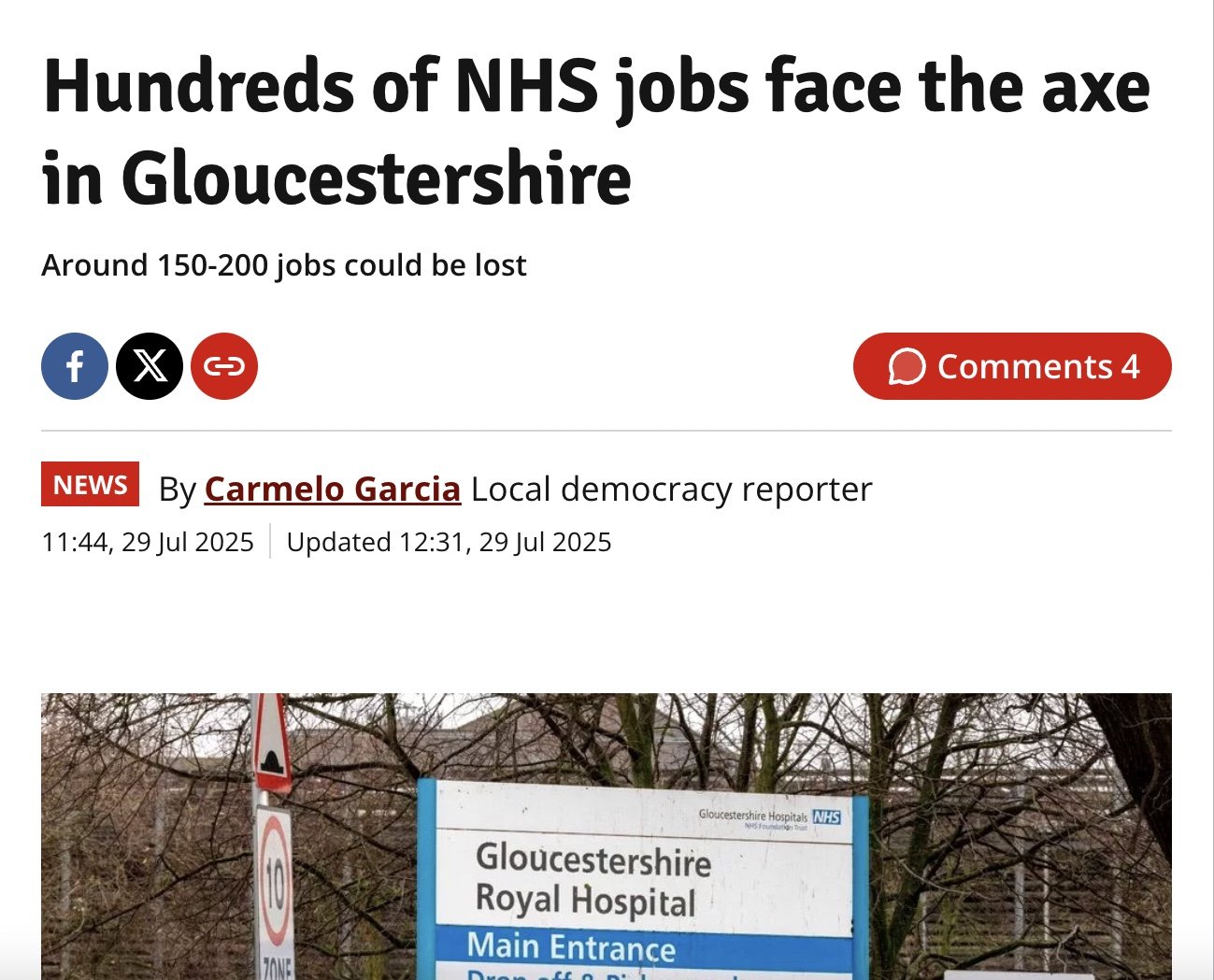
Maternity Staff Nurses Axed in July ‘25 Trust Said They Had Enough Midwives!!!
It has recently come to light that a n umber os staff nurses were axed in July ‘25 being told that there were enough midwives at the unit already.
If this was the case, then why are midwives now being pulled from the birth centre?


Lack of Transparency and Communication Failures
The first hint that something was wrong didn’t come from the Trust or the ICB — it came from a doula supporting a woman very close to going into labour. She suddenly found out she could no longer birth at home. With no time to prepare or consider alternatives, she felt she had no choice but to go into hospital.
That was the moment many of us realised something serious was happening behind the scenes.
We immediately began checking on other women booked for home birth, making sure they were aware and able to explore their options. I put together template letters families could use, and we quickly formed an advocacy group to support one another through the uncertainty.
Throughout this, I continued trying to open constructive communication with Gloucestershire Hospitals Trust and the Integrated Care Board — requesting information, asking for clarity, and reminding them of their legal duties around public involvement. But responses were slow, sporadic, or nonexistent, even as more women came forward with worrying accounts of mixed messages and last-minute cancellations.

FOI Requests for MLU Closures
I’ve submitted a set of Freedom of Information requests today (17 November 2025) to get clarity on what’s really happening inside Gloucestershire’s midwife-led services. Women deserve transparency, not rumours and silence. The Trust now has 20 working days — until 15 December 2025 — to respond.
One request asks for a full breakdown of how often the Gloucester Birth Unit has been closed, restricted, or running at reduced capacity this year. Another examines how many times midwives have been pulled away from midwife-led care and how many women have been redirected as a result. And a separate request demands the paperwork behind the decision to convert two clinical rooms in the Birth Unit into office space — including whether this was justified on the basis of a supposed “drop in births.”
These answers matter. They reveal the real state of the service, the real impact on women, and the real decision-making happening behind closed doors. If the system is safe, the data will show it. If not, the public has a right to know.
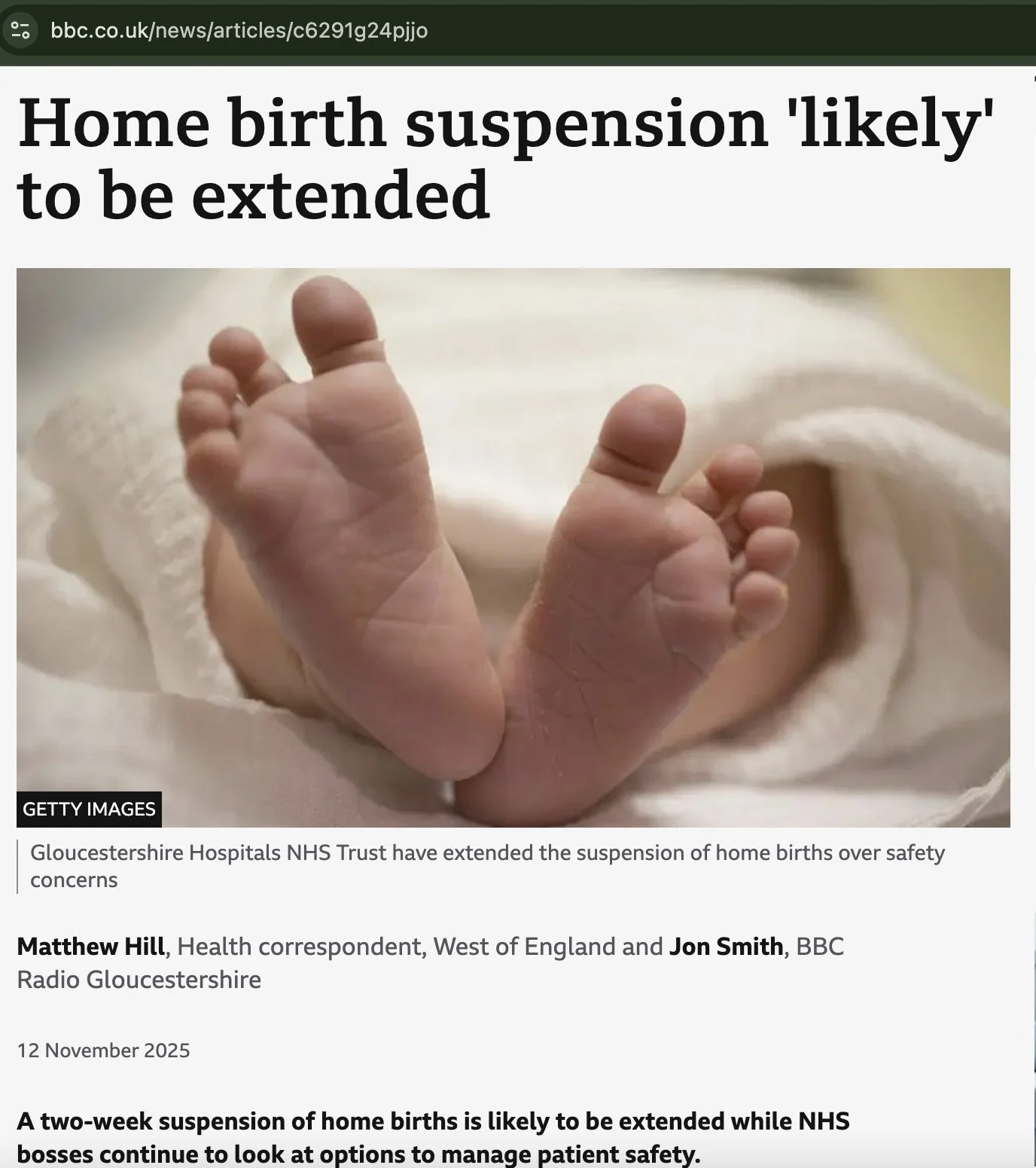

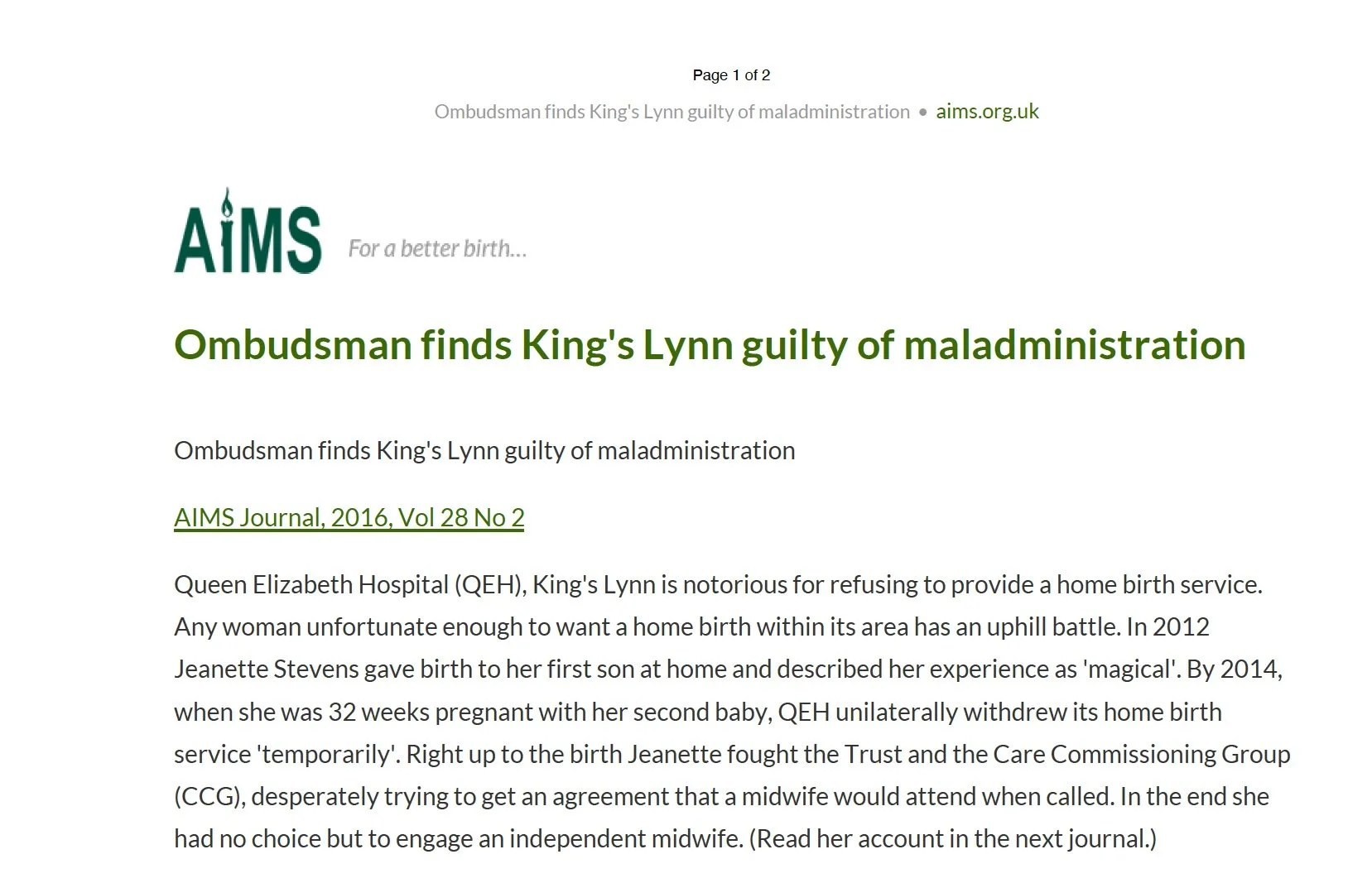
When Home Birth Services Are Withdrawn: The Case That Proved It’s Not Acceptable
When a Norfolk woman’s home-birth service was suspended, she refused to give up. With AIMS and Birthrights’ support, she challenged her NHS Trust — and won. The Ombudsman ruled the Trust’s refusal to fund independent midwifery care amounted to maladministration, setting a vital precedent for maternity rights today.

FOI Requests
An overview of the freedom of information requests already made. Will they reveal why the Trust is failing in it’s duty to provide safe and equitable maternity care when the answers have been laid out?

Template Letters For Home Birth Closures - Reinstate Safe Skilled Midwifery Care
Following the ongoing suspension of Gloucestershire’s home birth service, women are left without real choice or continuity of care.
This post brings together template letters for writing to the NHS Trust, ICB, MPs, local media, and even family and friends — calling for safe, skilled, woman-centred midwifery care to be reinstated.
It also includes my correspondence with the Director of Midwifery, her unsatisfactory response, and why I’ve now escalated these questions through Freedom of Information requests to demand transparency and accountability.
Why It Helps to Understand the History of UK Birth Policy
To understand today’s maternity crisis, we have to look back.
From the pioneering Albany Midwifery Practice to the hopeful Better Births reforms — and the dismantling that followed through the loss of supervision, the COVID collapse, and the Ockenden fallout — this timeline traces how continuity of care was built, broken, and why its loss now costs lives.

Midwifery attendance for home births suspended in Gloucestershire: Women Deserve Better
When NHS home-birth services are suspended, women’s legal right to birth at home does not disappear — but the support that makes that choice safe and trusted does. Gloucestershire’s withdrawal of home-birth midwifery cover leaves families without professional care, continuity, or confidence. This open letter calls for transparency, creative staffing solutions, and respect for women’s rights.
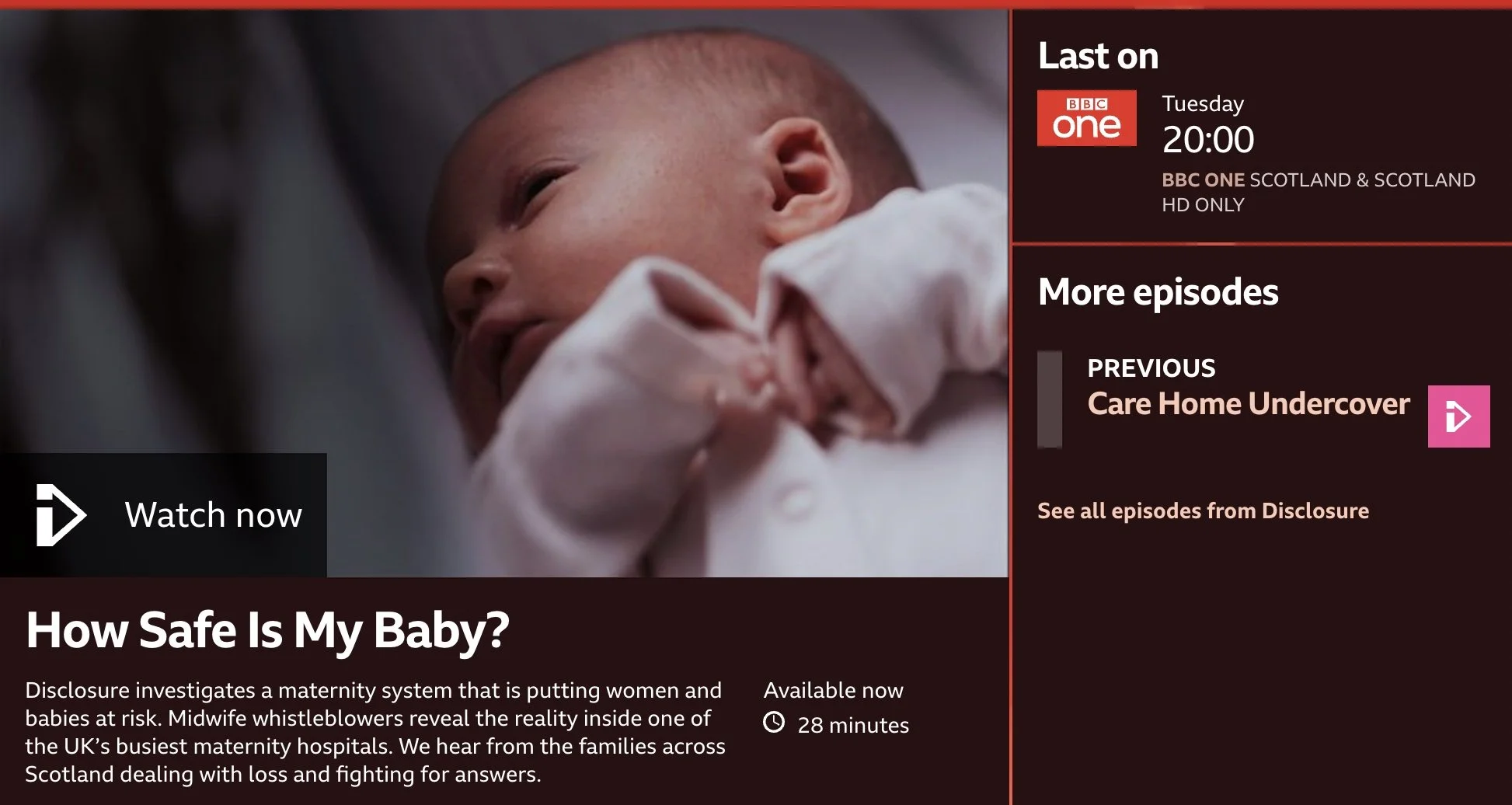
How Safe Is My Baby? The Truth Behind Our Failing Maternity System
When BBC Disclosure aired “How Safe Is My Baby?”, it echoed the same themes that surfaced in the tragic case of Jennifer Cahill — exhausted midwives, unsafe staffing levels, and families caught in the cracks of a broken system.
In this article, I explore what’s really behind these tragedies: not “bad midwives” but an overstretched, fragmented model of care that fails to value relationships. I also share practical steps every family can take to stack the odds in their favour — through good nutrition, hydration, continuity, and body awareness.
Because real safety in birth doesn’t come from control — it comes from connection, knowledge, and respect.
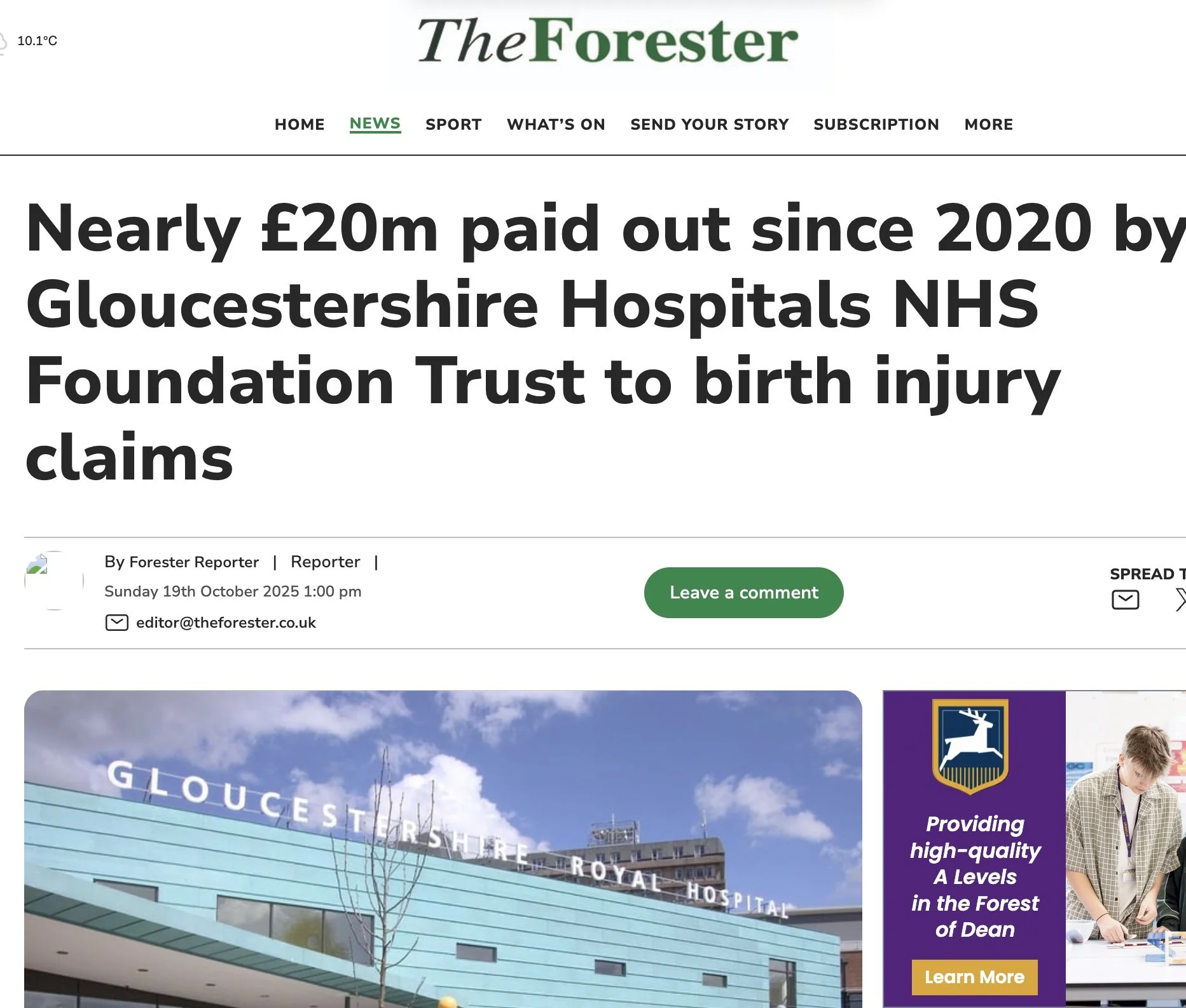
Nearly £20 Million Paid Out in Birth Injury Claims — What This Really Tells Us About Maternity Care
Nearly £20 million has been paid out in birth-injury claims by Gloucestershire Hospitals since 2020 — but what these figures really show is a system that’s failing women and families. This post explores how the loss of continuity of care has made maternity services less safe, and why rebuilding small, trusted teams could save lives — and money.

Co-Production or Consultation? What Gloucestershire’s Maternity Papers Reveal — and Why True Collaboration Matters
After submitting Freedom of Information requests to Gloucestershire NHS bodies, I examined the documents claimed as evidence of “co-production” in maternity services. What I found was activity without accountability — meetings, events, and reports that spoke the language of collaboration but delivered little change. Here’s what the papers reveal, and why true partnership still matters.After submitting Freedom of Information requests to Gloucestershire NHS bodies, I examined the documents claimed as evidence of “co-production” in maternity services. What I found was activity without accountability — meetings, events, and reports that spoke the language of collaboration but delivered little change. Here’s what the papers reveal, and why true partnership still matters.
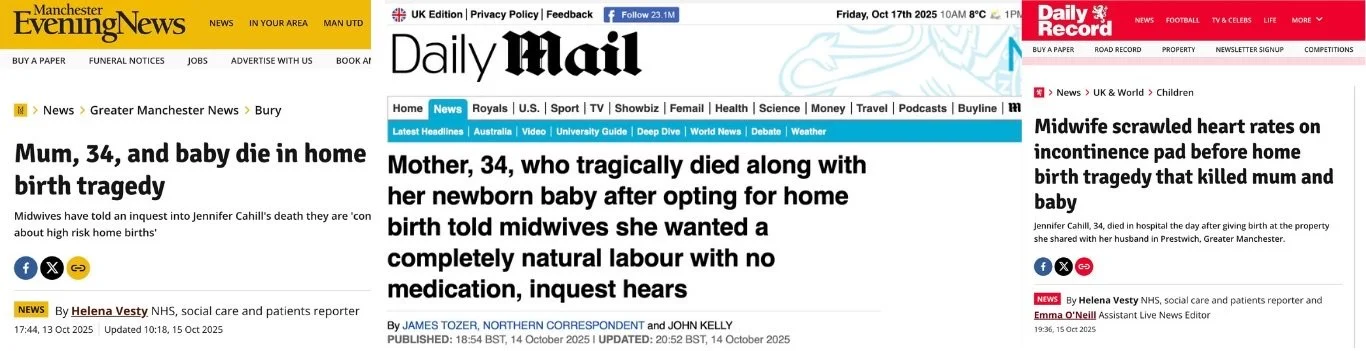
Prestwich Home Birth Tragedy and How Lack of Continuity Costs Lives
Jennifer’s story isn’t about reckless choices — it’s about a reckless system.
A system that replaces relationships with flow charts and calls it safety.
Continuity of care saves lives.
Fear and fragmentation cost them.

Informed Choice and the Choice to NOT Know
Across Gloucestershire and beyond, conversations around informed choice and consent in maternity care are more important than ever. From birth plans and homebirth decisions to the way information is shared during labour, women deserve to be listened to and supported as active partners in their care. This article explores how the landmark case Montgomery v Lanarkshire (2015) shaped the legal and ethical foundations of consent — and why understanding it matters for both women and maternity professionals.

⭐️ Free ⭐️ Birth Companion & Advocacy Support for POC, Vulnerable & Minority Communities in the Forest of Dean (Copy)
Becoming a parent is a big moment — and everyone deserves support, safety, and respect. Each month, I’m offering one free Doula (Birth Companion) & Advocacy place for someone in the Forest of Dean from a minority or migrant community — such as Romanian, Indian, Polish, Zimbabwean, refugee/asylum-seeking and other under-represented families.
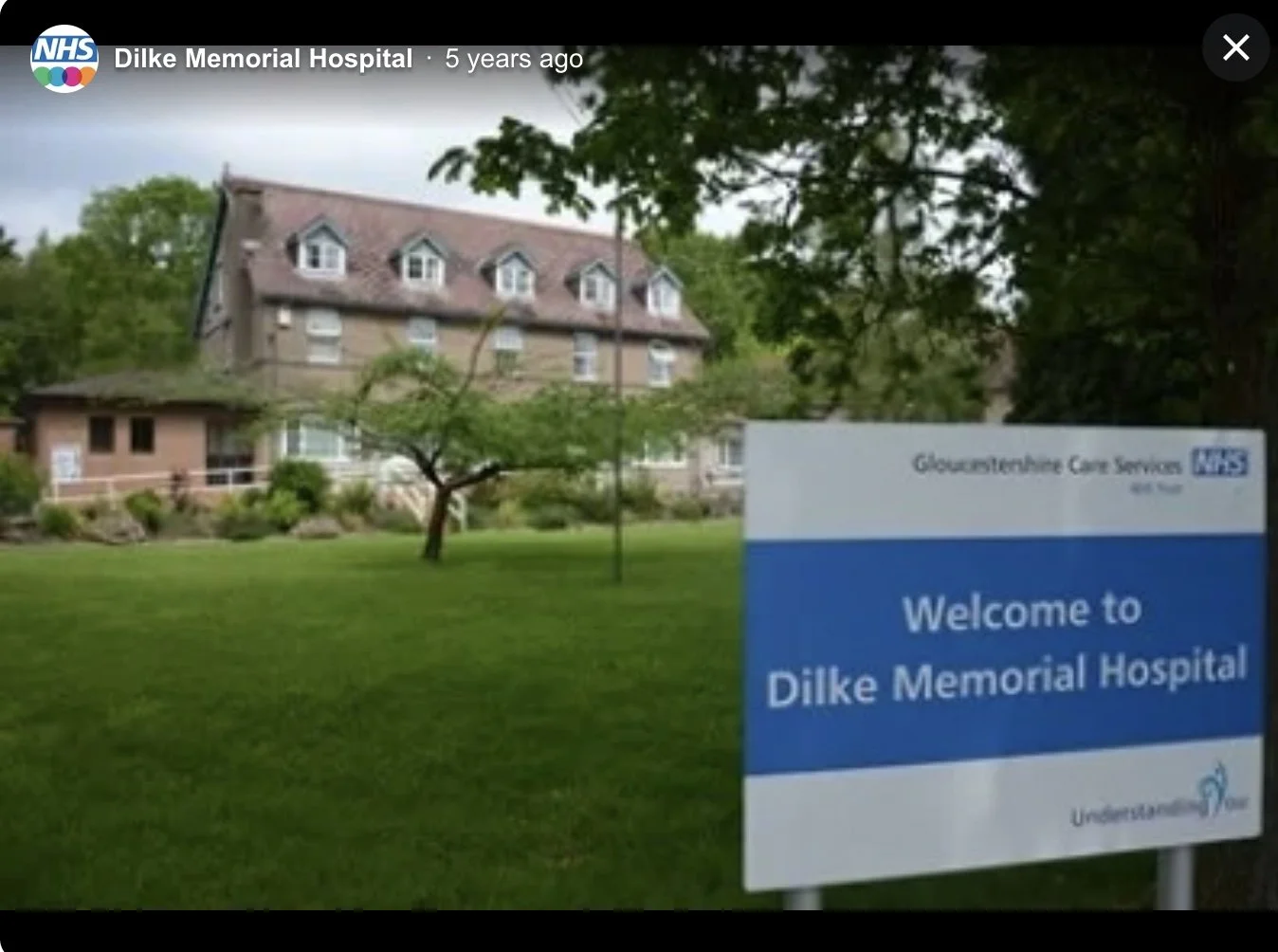
Birth Services in the Forest of Dean: What’s Really Happening?
For decades, families in the Forest of Dean could give birth locally at Dilke Memorial Hospital. With its closure in 2024, there are now no maternity services in the Forest — and women are being sent to Gloucester Royal, a unit rated inadequate for safety. A recent review found nine neonatal deaths with “missed opportunities” in care, while many families say planned home births are cancelled at short notice.
So what does this mean for choice, safety, and community care? And how much say do we really have in the so-called “co-design” of local maternity services?

Birth Services in the Forest of Dean: What’s Really Happening? (Copy)
For decades, families in the Forest of Dean could give birth locally at Dilke Memorial Hospital. With its closure in 2024, there are now no maternity services in the Forest — and women are being sent to Gloucester Royal, a unit rated inadequate for safety. A recent review found nine neonatal deaths with “missed opportunities” in care, while many families say planned home births are cancelled at short notice.
So what does this mean for choice, safety, and community care? And how much say do we really have in the so-called “co-design” of local maternity services?