You already know you want your birth to be hands-off and as natural as possible.
You've read the books and done the research. You understand the role of hormones in labour and know that birth can be a deeply private, natural, family experience.
You've read about the benefits of having a doula or birthkeeper alongside you during pregnancy and birth, and you love the idea of having someone who understands your beliefs, knows birth and can offer steady, continuous support.
Yet there's something holding you back.
You're wondering whether another person at your birth will change the intimacy between you and your partner.
Maybe you've had a disappointing experience with birth support before.
Or you're looking at the cost and wondering whether you can really justify investing in this kind of support when your partner is already so amazing, or you have a female relative or friend who's offered to be there.
These are all reasonable questions.
And after nearly two decades of supporting women and families, I can tell you that choosing who will be present at your birth deserves thoughtful consideration.
So let's explore some of those questions together.
1. Will having a doula at my birth change the intimacy between me and my partner?
This is such a common question, and I completely understand it.
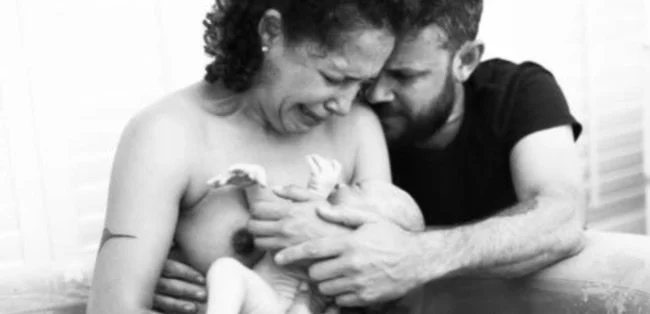
You've imagined welcoming your baby together.
The closeness, the connection, the extraordinary experience of becoming parents. Going through this incredible rite of passage together.
You imagine the soft music, dancing and swaying together, and that beautiful moment of birth when you look into each other's eyes and celebrate what you've just done together.
And then you imagine another person in the room.
Will she interfere with that vision?
Let's think about climbing a mountain...
I recently climbed a rather steep mountain, and every time it strikes me how much the experience resembles labour and birth.
Imagine setting off on an expedition.
You've prepared, you've got your equipment, and you're travelling with someone you love.
But neither of you has climbed this particular mountain before.
Would having an experienced guide alongside you take away from the adventure you share together?
Or might it give you both more freedom to enjoy the journey, knowing there's someone who understands the terrain and can offer practical support when it's needed?
Every labour is different. It's a new route that none of us in the room has travelled before.
A midwife brings clinical knowledge, assessment and the ability to recognise when medical care may be needed.
As a doula and birthkeeper, I bring a different set of tools — practical, physical and emotional support that helps you and your partner stay connected as you navigate the journey together.
I'm not there to take the place of your partner.
I'm there to help you both find your way, especially when the going gets tough and it feels as though you've lost each other in a blizzard!
Your partner gets to be your partner
One of the things I love most about birthkeeping is helping couples share this extraordinary experience together.
I melt into the background wherever possible.
Sometimes it's a knowing wink to your partner, a quiet suggestion of something they could try, or a reassuring word when they're wondering whether everything is unfolding as it should.
Sometimes it's stepping in to offer physical support while they take a break to eat, rest and replenish.
And sometimes it's simply making sure the fire is burning, the drinks are topped up and everyone has what they need.
Think about what your partner might be experiencing during labour.
They love you. They want to help.
But they may also be tired, uncertain, overwhelmed or worried about doing the wrong thing.
Perhaps they're trying to remember everything from the birth preparation books while simultaneously making drinks, organising the room and wondering whether what you're experiencing is normal.
That's a lot of pressure to put on one person!
Having a birthkeeper alongside you means that responsibility can be shared.
Sometimes I'm working directly with you. Sometimes I'm helping your partner find a comfortable way to support you. Sometimes I'm quietly taking care of the practical things.
And sometimes I'm doing very little at all.
Because knowing when to step back is just as important as knowing when to step forward.
Your partner doesn't have to be your doula, your birth educator and your emotional anchor all at once.
They get to be your partner. Becoming father in their own way too.
And together, you get to experience the extraordinary journey of welcoming your baby into the world.
2. What if I want fewer people at my birth, not more?
Your partner, two midwives, perhaps your mum or sister... and now you're considering a doula too?
Won't that be a bit crowded?
I completely understand this concern, particularly when you're envisioning a quiet, intimate, undisturbed birth.
You've read the books about the hormones of birth, done the hypnobirthing course, followed the Instagram channels, and you know how important your environment is.
You want to feel safe, unobserved and free to move, make noise, rest or retreat into yourself without an audience.
When you imagine yet another person in an already busy room, when all you really want is you and your partner swaying together to the music, that makes absolute sense.
I know that feeling myself.
During my first birth, my stepchildren were there, my mum turned up, and suddenly I felt like a rabbit in the headlights. Trapped in the birth pool in the centre of the room, with everyone around me.
All I wanted was for everyone to go away!
And that's exactly where I come in.
One of the things I'm particularly skilled at is helping to protect the atmosphere and privacy of your birth space.
That might mean gently reminding the people you've invited about your preferences, helping them find ways to support you, or tactfully suggesting that someone waits outside when what you really need is some space.
In short, I can help guard your privacy.
Because we've spent time together throughout pregnancy, I've got to know you, your family, your hopes and how you communicate.
Often, I can recognise from your body language that something needs to change, without adding more questions, conversation or requests.
Sometimes that means quietly retreating into a corner myself. Sometimes it means reminding others what you need, so you don't have to interrupt your labour to explain.
And we can prepare for these situations long before birth begins.
We can talk through different possibilities, consider who you'd like present at different stages and make a Plan A, Plan B and Plan C — depending on how you feel and how labour unfolds on the day.
Because here's something worth thinking about.
It's not simply how many people are present.
It's what each person brings into the room.
One anxious person can change the atmosphere enormously.
Equally, someone who knows how to remain calm, anticipate what's needed and quietly support everyone else can make a real difference.
This is one of the skills I've developed over nearly two decades of working with women and families.
I'm very aware of the energy and dynamics of a birth space.
Sometimes my role is to help everyone settle into their place. To support your partner, reassure a worried family member, prepare food or quietly take care of the practical things.
Sometimes it's working alongside midwives, helping to create a respectful relationship in which they can fulfil their clinical responsibilities without you feeling that your home or birth space has been taken over.
And sometimes it's simply recognising that you need fewer voices, less conversation and more privacy.
I don't need to be in the middle of everything to be making a difference.
I can step back, remain quietly available or give you and your partner the space you need.
And of course, not every woman wants another person physically present at her birth.
What about virtual birth support?
You might feel deeply aligned with my approach but want to keep your birth space very small.
Perhaps you're mindful of the cost, or you already have a trusted female friend, sister or birth companion who'll be alongside you during labour.
That doesn't mean we can't work together.
Through pregnancy, I can support you and your chosen birth team without planning to attend in person — while remaining at the end of a WhatsApp message, phone or video call when you need additional guidance or reassurance.
So the people holding you through birth have someone holding them, too.
Through my Antenatal Journey, either in person or virtually, we can explore your birth choices, prepare your body and mind, consider different possibilities and build the confidence and practical skills of everyone who'll be supporting you.
We'll explore physiological labour and birth, the roles of your chosen supporters, and how to navigate maternity care if you're planning to have midwives present.
You and your team can benefit from our relationship, my knowledge and ongoing preparation, while choosing exactly who will be physically present when your baby arrives.
The point isn't to have as many people supporting you as possible.
It's to consciously gather the right people around you, in the right roles, creating an environment in which you feel safe, comfortable and supported.
And sometimes, less really is more.
3. What if I've had a disappointing experience with a doula before?
Yes, it happens.
We're human. We get things wrong. We're all learning — about our own capacity, about working with people whose values align with ours, about listening to our inner voice and developing discernment.
And sometimes, despite everyone's best intentions, a relationship simply isn't the right fit.
That's why I don't offer my birthkeeping services to every woman I meet.
And it's why I believe in taking time to get to know one another before jumping into a commitment.
Not every doula works in the same way, and not every doula is the right match for every woman.
Some focus primarily on emotional reassurance during labour. Others offer extensive antenatal education, bodywork, postnatal care or different approaches to birth preparation.
My own work brings together traditional birthkeeping, physiological birth education, bodywork, continuity and spiritual support.
But how do you know whether that's right for you?
Let's spend some real time together.
A free 20-minute discovery call is a lovely place to begin. We can talk about the birth you're envisioning, what's important to you and whether we feel a connection.
But let's face it — it's difficult to get a real sense of someone's energy through a screen!
And while I'd love to meet every woman who enquires, I simply don't have the capacity to offer lengthy complimentary visits to everyone.
So I've created another way for us to explore working together.
After our discovery call, you can book a one-off antenatal session with me.
This gives us the chance to spend some meaningful time together, without needing to commit to a full birthkeeping package.
And importantly, you'll receive something of value from our time together, regardless of whether we decide to continue.
Your session can include massage, shiatsu, reflexology, body balancing or rebozo, depending on what would be most useful to you.
We can also explore your birth choices, talk through questions about maternity care, work on practical birth preparation or discuss whatever is most relevant to your pregnancy.
You'll experience how I work, how I listen, how I use my hands and how we communicate together.
And I'll have the opportunity to get to know you, too.
Because this is a relationship built on trust, familiarity and mutual understanding — not simply a service you book.
What if we discover we're not the right fit?
That's valuable information too.
If you've been disappointed by birth support before, I'd want to understand what happened, what was missing and what you'd need to feel differently this time.
And if our time together reveals that we're not the right match, we can part warmly, knowing you've still received some useful preparation or nurturing bodywork.
Choosing who will be beside you during birth is too important to rush.
I'd much rather we both feel confident about the relationship we're building.
And sometimes the most valuable first step is simply spending a little time together.
Interested in spending more time together before making a decision?
Ask me about a one-off antenatal session during our call.
4. What am I actually paying for when I invest in doula / birthkeeper support?
It's a significant investment to have one-to-one doula support, and you deserve to understand exactly what you're paying for.
I'm glad you asked!
My Signature Birthkeeper & Doula Support begins from around 20 weeks of pregnancy, because there's something I feel passionately about.
The preparation you do before birth can make an enormous difference to how you experience it.
Of course, having someone experienced and trusted alongside you during labour is valuable in itself.
But my particular specialism is antenatal preparation. I love working with women and their partners over time, helping them develop their confidence, deepen their understanding of physiological birth and lay the foundations for the experience they're hoping to have.
For me, birth preparation is about so much more than writing a birth plan or learning breathing techniques.
It's about getting to know your body, understanding how labour works, developing trust in yourself and building the practical skills and confidence to respond to whatever unfolds.
It's also about exploring your values, understanding your choices and developing the discernment to make decisions that genuinely feel right for you.
This is particularly important in my work with women planning homebirth, freebirth, wild pregnancy or birth outside conventional maternity pathways.
These choices can bring additional questions, responsibilities and sometimes pressure from those around you.
Having someone experienced alongside you during pregnancy gives us time to explore those questions thoughtfully, consider different possibilities and prepare for the unexpected, without losing sight of what matters most to you.
So what does that actually look like?
I usually meet with clients approximately every four weeks during the earlier stages of our work together.
From around 30 weeks, we begin meeting every two to three weeks, and once you reach 38 weeks, we'll check in weekly, either in person or over video.
Each session builds on the last.
We might work with movement, biomechanics, massage, shiatsu or rebozo. We might explore nutrition, relaxation, birth physiology, birth emergencies, your previous experiences or the practicalities of your chosen birth setting.
We'll involve your partner and other supporters, helping them understand their roles and develop confidence in supporting you.
And we'll make space for the conversations that don't always happen in conventional antenatal classes — about autonomy, responsibility, intuition, fear, family dynamics and the decisions you may face.
Because good preparation isn't about memorising the right answers.
It's about developing the knowledge, confidence and inner resources to navigate your own birth.
You're investing in a relationship.
There's also something important that doesn't fit neatly into a package description.
Someone who gets to know you over time.
Someone who remembers the conversations you've had and understands what really matters to you.
Someone you can message when you're having a wobble, without worrying that you're making a fuss.
Someone who brings nearly two decades of experience, traditional wisdom and practical skills to your preparation.
And someone who makes space in her life to be available day and night during your agreed on-call period, whenever your baby decides it's time to arrive.
My Signature Support also includes continuous birth attendance and early postnatal care, so the relationship we've built during pregnancy continues through birth and into those first days with your baby.
I take on a maximum of two in-person birth clients each month because this work requires enormous flexibility, time and personal commitment.
You're not simply investing in support for the day your baby is born.
You're investing in the months leading up to it, when confidence is built, relationships deepen and the foundations for your birth are laid.
What if the full package isn't the right fit for you?
There are other ways we can work together, including early pregnancy preparation, one off bodywork sessions, birth on your terms mini journey,
We can explore what matters most to you and which kind of support would be the best fit.
Because ultimately, my aim isn't simply to be present at your birth.
It's to help you arrive at birth feeling knowledgeable, confident, deeply supported and ready to meet your baby on your own terms.
5. What does a birthkeeper actually do when labour begins?
This might be my favourite question.
Because the answer is different at every birth.
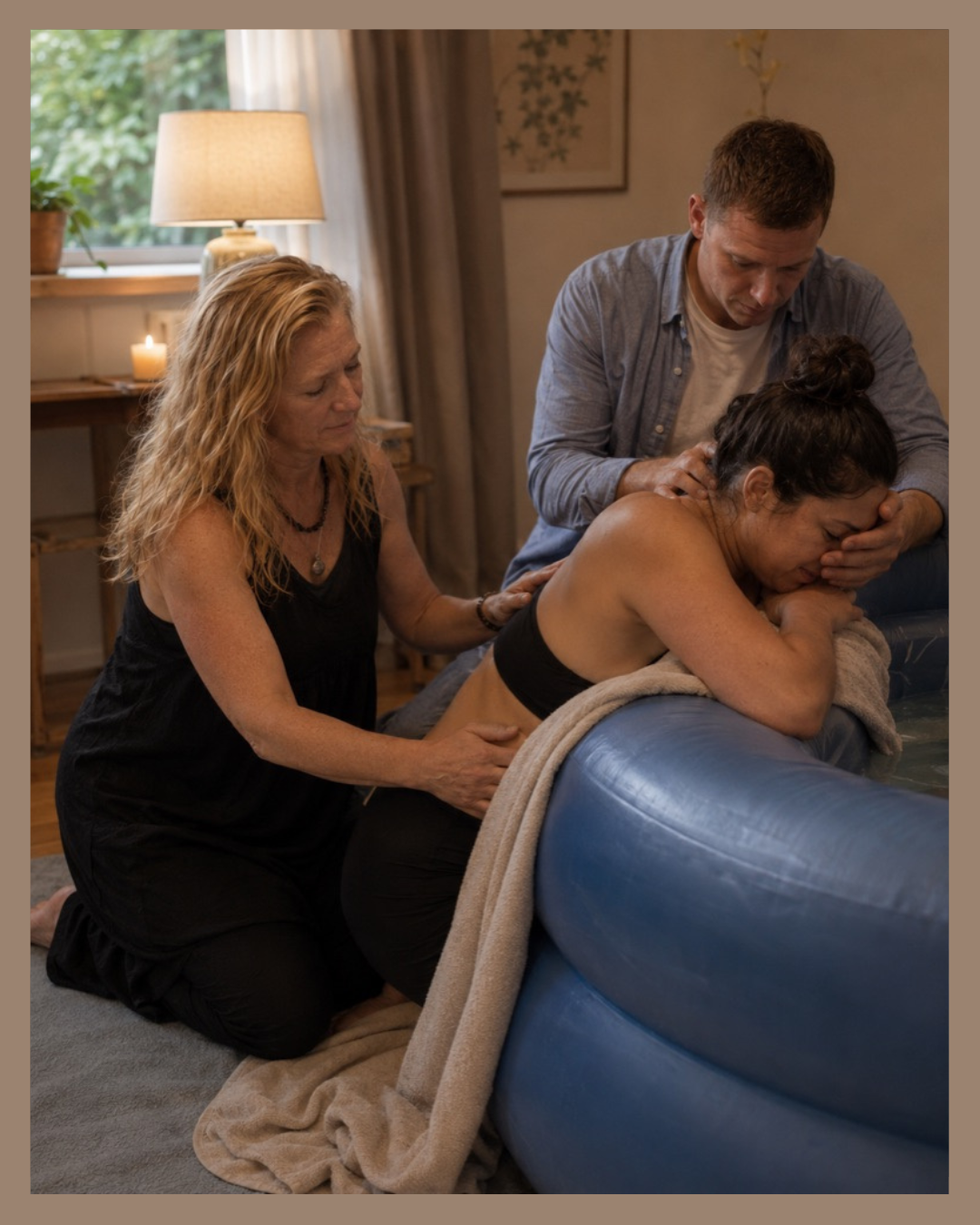
Sometimes I'm helping you find a position that feels better in your body.
Sometimes I'm applying pressure to your back, working with a rebozo, reminding you to breathe or helping you move through a difficult moment.
Sometimes I'm supporting your partner, preparing something to eat or helping the people around you settle.
Sometimes I'm helping to manage the environment when other people become anxious or the atmosphere begins to change.
And sometimes I'm simply sitting quietly, keeping watch and allowing you to get on with the extraordinary work you're doing.
Birthkeeping isn't about doing more things to a woman.
It's about recognising what she needs, responding skilfully and knowing when to leave her undisturbed.
I want you to feel that you have someone beside you who understands the birth you're hoping for, knows your family and brings the confidence and experience to support you through the unexpected as well as the anticipated.
That doesn't mean everything will unfold according to plan.
Birth is unpredictable.
But whatever decisions and changes arise, you deserve to remain an active participant in your own experience, with people beside you who listen and respect you.
So, do you really need a doula?
Only you can decide that.
But I'd encourage you to look beyond the question of whether you need another person at your birth.
Ask yourself:
Who do I want around me during this extraordinary time?
Who understands my values?
Who do I trust?
Who has the experience and practical skills to support me and my family?
Who will I feel comfortable turning to when I'm uncertain, exhausted or simply need someone who understands?
And how do I want to remember the experience of preparing for and welcoming my baby?
You don't need to justify wanting skilled, continuous, deeply personal support.
And you don't need to make that decision based on someone else's idea of what birth should look like.
Let's see if we click ❤️

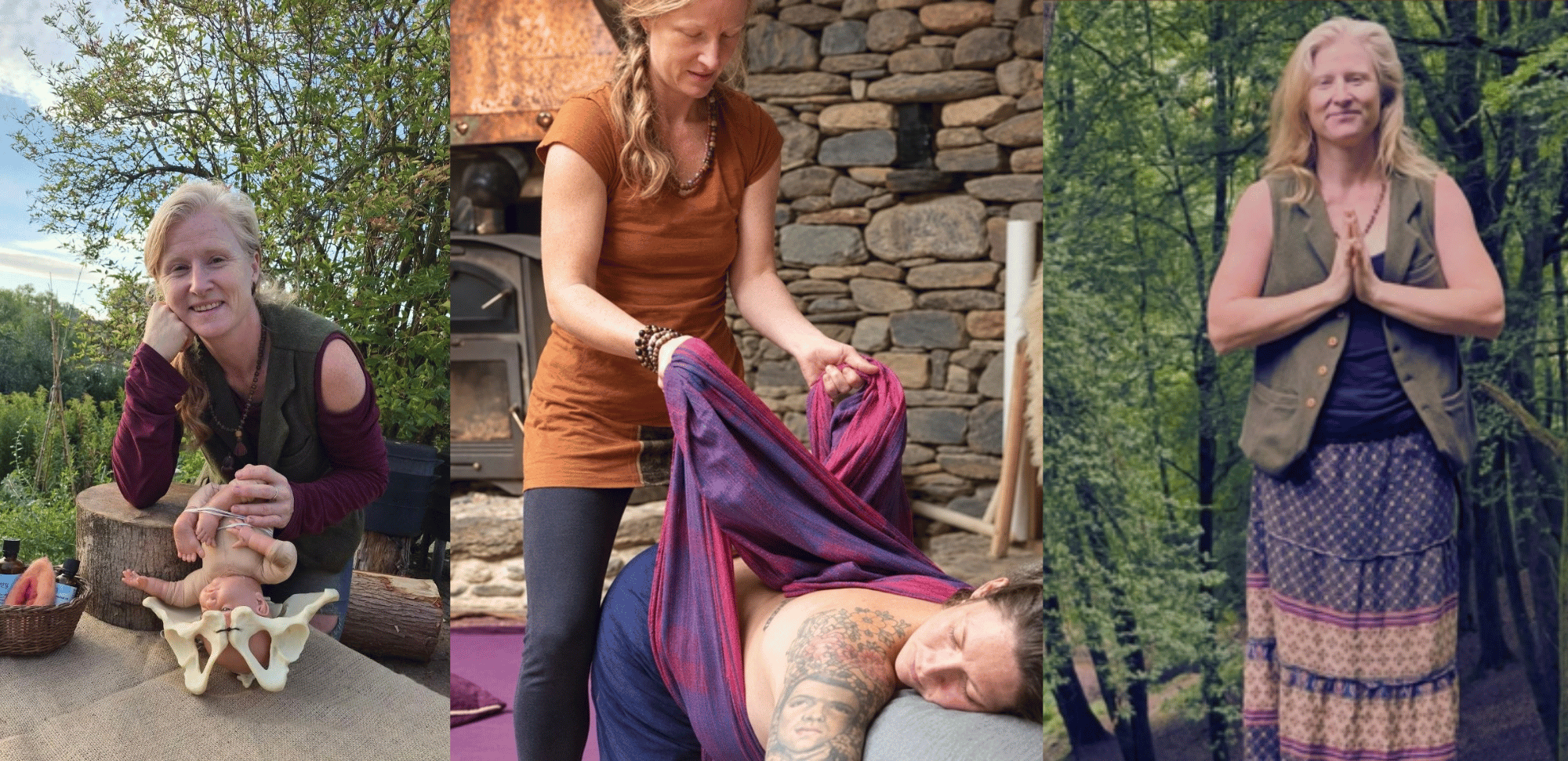
I'm Emma Gleave, a doula and traditional birthkeeper supporting women across the Forest of Dean, Gloucestershire, Monmouth, Hereford and surrounding areas.
If something you've read here resonates with you, I'd love to meet you.
We can talk about the birth you're envisioning, explore your questions and look at three possible next steps for working together.
No pressure.
Just a conversation to see whether we're the right fit