Independent Antenatal Classes in the Forest of Dean: Why the Way You Prepare for Birth Matters
When many parents start searching for antenatal classes near them, they often assume hospital classes are the obvious place to start.
But not all antenatal classes are the same.
If you want to feel genuinely confident preparing for birth, the style of teaching, independence of the educator, and the structure of the class can make a huge difference.
My independent antenatal classes in the Forest of Dean are designed to go far beyond simply providing information. They offer comprehensive birth preparation, practical skills, discussion and community — helping parents feel confident and supported as they approach birth.
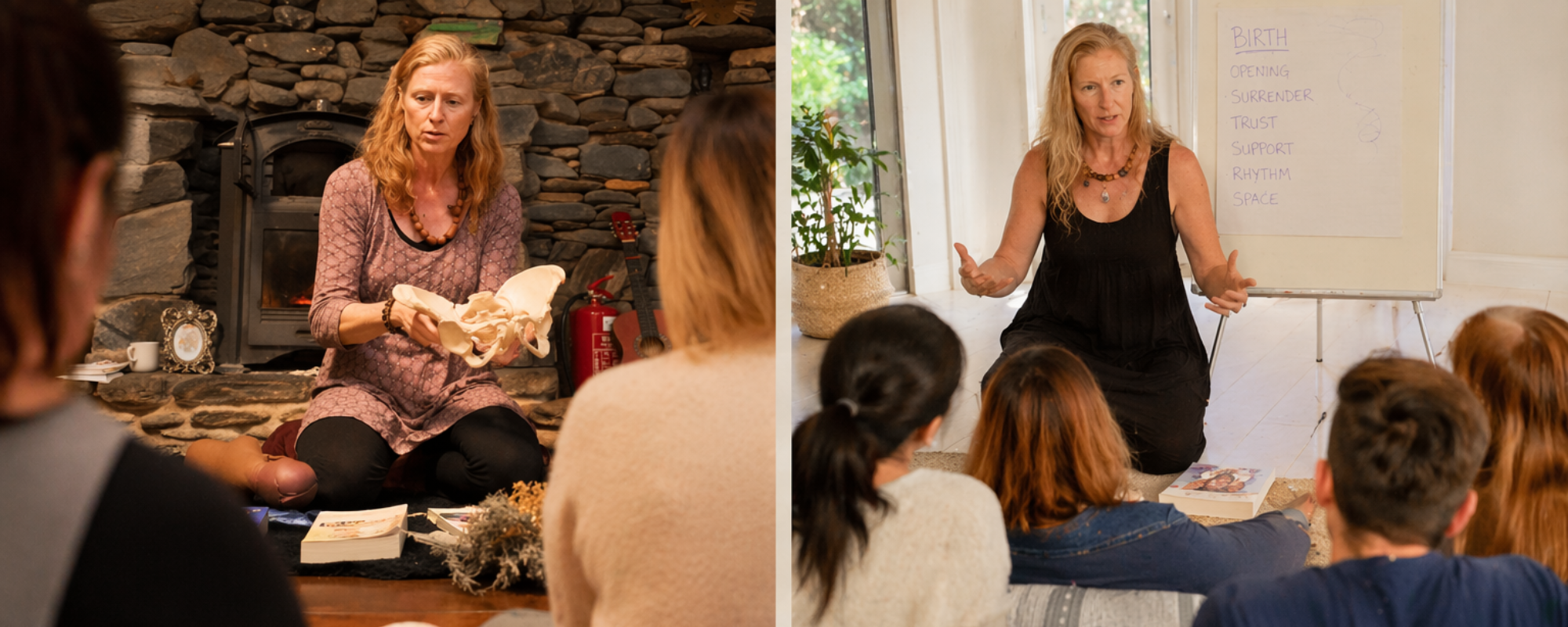
Information Alone Doesn’t Prepare You for Birth
Research has shown that information-based antenatal classes alone do not significantly change birth outcomes.
This is because simply sitting and listening to a lecture about the stages of labour rarely leads to lasting understanding or confidence.
People learn best when they are actively involved.
Real learning happens through:
discussion
practical experience
reflection
physical practice
shared stories and questions
When antenatal education is delivered as a lecture, most of the information is forgotten.
Comprehensive antenatal classes should be interactive and engaging, helping parents absorb knowledge in a way that actually prepares them for the real experience of birth.
Why Independent Antenatal Classes Matter
Another important factor is independence.
NHS antenatal classes are delivered within strict institutional guidelines. Midwives are highly skilled professionals when it comes to clinical care and managing complications, but within the NHS they are not able to explore options outside hospital guidance.
This means hospital classes often focus on preparing parents to follow standard hospital pathways rather than exploring the full range of birth possibilities.
Independent antenatal classes offer something different.
They create a space where parents can explore:
how birth physiology works
the full range of birth options
how to understand medical guidelines and evidence
how to make confident, informed decisions
how to communicate effectively with care providers
The goal is not to tell parents what to do, but to help them develop confidence and understanding so they can make decisions that feel right for their family.
The Skill of Facilitating Antenatal Groups
Something that is often overlooked is that teaching antenatal classes is a specialised skill in itself.
Midwives are experts in clinical care. But facilitating a learning group requires a different set of abilities.
A skilled antenatal educator knows how to:
create a relaxed and welcoming environment
help strangers feel comfortable with each other
encourage participation and discussion
support different personalities within the group
respond to questions and emotions as they arise
create a trauma-informed space where everyone feels safe
Without these skills, antenatal classes can quickly become long lectures.
But when a class is facilitated well, it becomes something very different — a shared learning experience where parents support each other and learn together.
Building Community Through Antenatal Classes
One of the most valuable aspects of independent antenatal classes is the sense of community they create.
Pregnancy can feel surprisingly isolating in modern life. In the past, knowledge about birth was shared through communities of women and families. Today many parents are navigating this experience without that support.
A well facilitated antenatal group helps parents connect with others who are going through the same transition.
We use simple activities to help this happen naturally, such as:
placing yourselves on a map to see who lives near each other
sharing hopes and fears about birth
small group discussions
time during breaks for informal conversations
These connections often become friendships and support networks that continue long after the babies are born.
Active Learning Makes a Difference
In my Forest of Dean antenatal classes, learning is designed to be active and engaging.
We use a wide variety of approaches so that people can absorb information in different ways.
These might include:
practical demonstrations
movement and body awareness
partner practice
role play scenarios
small group discussions
whole group conversations
fun activities and ice-breakers
Keeping people actively involved helps them stay engaged, and when people are engaged they remember what they learn.
Learning Practical Birth Skills
Good birth preparation classes should include real, practical skills — not just theory.
Parents learn things like:
comfort techniques for labour
breathing and relaxation practices
positions that support labour
how partners can support effectively
understanding how birth hormones work
how to navigate hospital environments confidently
We also explore how to make decisions during birth, including how to ask questions, understand options and respond to pressure in medical environments.
These are the skills that help parents feel calm and capable when labour begins.
A Trauma-Informed Approach
Every antenatal group contains people with different experiences, fears and expectations.
Some may have experienced previous trauma, pregnancy loss or difficult medical experiences.
A trauma-informed antenatal class recognises this and creates a safe, respectful environment where everyone can engage at their own pace.
Before each course I connect with participants individually to learn a little about their story. This helps shape the group so it supports the needs of everyone involved.
Comprehensive Antenatal Classes in the Forest of Dean
If you're looking for comprehensive antenatal classes in the Forest of Dean, my courses offer a supportive and interactive alternative to hospital-based classes.
Together we explore birth in a way that is practical, empowering and grounded in real understanding.
You’ll leave with:
practical skills for labour
a deeper understanding of how birth works
confidence in your ability to make decisions
supportive connections with other local parents
Preparing for birth is not just about gathering information.
It’s about building confidence, connection and practical skills so you can approach birth feeling prepared and supported.