Caring for Tears & Stitches After Birth: Traditional Ways to Support Healing
Perineal soreness after birth can range from a bit tender and bruised to really uncomfortable.
Whether you’ve had a small graze, a tear, an episiotomy or stitches, those first days and weeks can affect everything — sitting down, feeding your baby, going to the toilet, walking, sleeping and simply feeling like yourself again.
And women’s experiences are incredibly individual.
Some women barely notice their stitches. Others tell me that the stitches themselves caused more discomfort than the original tear — pulling, rubbing, feeling tight or becoming irritated as the tissue healed.
I’ll write separately about ways we can prepare the tissues and work with the body during birth to reduce the likelihood of tearing, because that deserves a whole article of its own. It is also something I want to explore much more deeply in my future Breathe Your Baby Out course.
But if the tear has already happened, what can you actually do to make yourself more comfortable and support the healing process?
First, what degree of tear did you have?
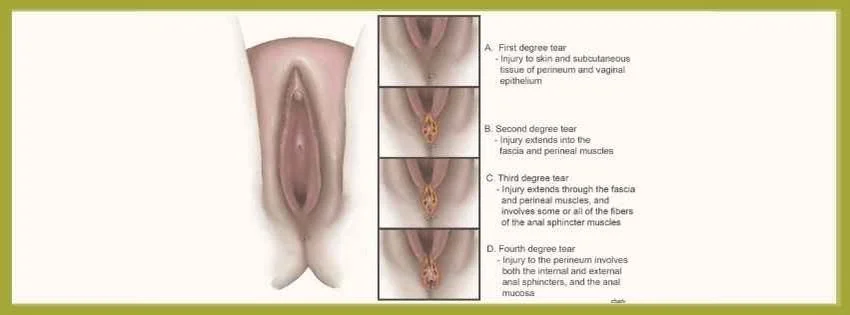
You will often hear perineal tears described by “degree”.
A first-degree tear affects the skin and superficial tissue around the vaginal opening and perineum. Some small first-degree tears don’t need stitches at all, particularly if the edges come together naturally and there is no significant bleeding.
A second-degree tear goes deeper and involves some of the perineal muscle as well as the skin. These are more significant than first-degree tears and are commonly stitched so that the muscle can heal back together properly.
A third-degree tear extends into the muscles surrounding the anus.
A fourth-degree tear extends through those muscles and into the lining of the rectum.
Third- and fourth-degree tears are much more significant injuries and need specialist repair and follow-up. This is quite different from caring for small 1st & 2nd degree tears at home.
Whatever degree of tear you have had, if pain is getting worse rather than better, the wound appears to be opening, there is offensive-smelling discharge, increasing swelling, pus, fever, significant bleeding or you simply feel that something isn't right, get someone to look at it.

One of my favourite traditional postnatal remedies is Hypercal — a combination of Hypericum and Calendula tinctures.
Hypericum has traditionally been used where there is soreness associated with nerve-rich or injured tissue, while Calendula has a very long history of use for soothing damaged skin.
A really practical way of using Hypercal after birth is to dilute it appropriately in clean water in a little spray or peri bottle and keep it beside the toilet.
After going to the loo, rather than repeatedly wiping tender tissue, you can rinse or gently spray the area and pat or air dry.
It can feel wonderfully soothing when everything is swollen, bruised and tender.
If you're buying a prepared Hypercal product, follow its dilution instructions rather than putting concentrated tincture directly onto damaged tissue.
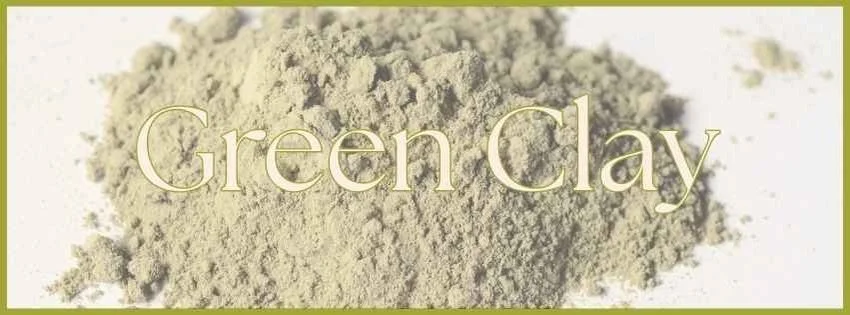
Green clay is another traditional remedy I love for postnatal healing.
Clay has been used traditionally as a cooling, drying dressing for irritated skin and minor wounds. Some women find it particularly lovely where tissues feel hot, swollen or weepy.
Buy food grade green clay - it comes as a powder - sometimes herbs can be added if passed twice through a fine mesh.
This is something I carry for my clients and supply sometimes.
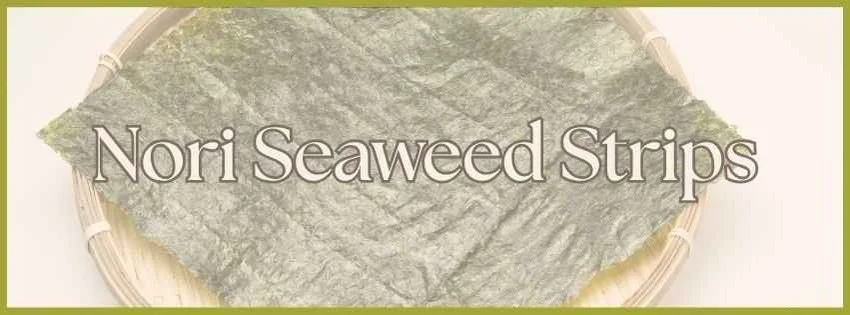
This is one that far fewer women have heard about.
Nori seaweed strips can make incredibly soothing little external dressings.
When moistened they become soft, cool and almost gel-like, so they can sit comfortably against sore perineal tissue without the scratchiness you can get from pads or gauze.
It is one of those beautifully simple traditional approaches that is worth knowing about.
Again, this is for external comfort, rather than inserting seaweed into the vagina or packing a deeper wound.

Several women in my postnatal groups swear by this.
Fill a peri bottle with comfortably warm water and rinse yourself while or immediately after having a wee.
Urine can sting damaged skin enormously. Diluting it as you pass urine, and then rinsing afterwards, can make those first few days considerably more comfortable.
It also means you don't need to rub the area repeatedly with toilet paper.

One of the simplest suggestions is also one of the best.
Take your pants off.
Lie on a clean towel or absorbent pad and allow some air around the area whenever you reasonably can.
Postnatal pads, underwear, warmth and moisture can all create rubbing and irritation. Sometimes women assume their stitches are causing the soreness when actually their pad or underwear is continually catching the area.
Loose clothing, cotton underwear when you need it, and periods without either can make a surprising difference.

If you suddenly become more sore at one or two weeks postpartum, have a look at the mundane things too.
Is the edge of your pad sitting directly over the stitches?
Is your underwear seam rubbing?
Are you wearing tight leggings?
Is a stitch end catching?
Does the area feel better when you spend several hours without underwear?
And if something feels sharp or as though a stitch is persistently catching, ask a midwife or clinician to actually look. Occasionally a stitch or knot can be particularly irritating.

Some women find a shallow warm bath incredibly soothing.
Others prefer a sitz bath — just enough warm water to immerse the perineal area without having a full bath.
Traditionally, women have added salt or herbal preparations too. Personally, I would keep anything used over a fresh wound simple, clean and gentle. If salt stings or leaves the tissue feeling more irritated, plain warm water is perfectly adequate.

In the first days, particularly where there is a lot of swelling or bruising, some women find cold packs extremely relieving.
Wrap anything very cold rather than putting ice directly onto delicate skin, and use it for short periods.
Interestingly, women often find they want different things at different stages — cold when everything initially feels swollen and throbbing, then warmth later when the tissues feel tight and achy.
Follow what actually feels good to your body.
Homeopathy is energy medicine - substances are so diluted that nothing of the original material remains! And yet the more diluted it gets, the stronger the potency! Typically 200c matches the energy of birth and the acute situations surrounding.
Ideally you have a Helios or Ainsworth homeopathy kit
- I often lend out a childbirth kit which has these and other useful remedies for you & your baby.
Helios have a wonderful remedy finder section and advice line https://www.helios.co.uk/
Two excellent remedies for yoni healing after birth:
Arnica is probably the best-known remedy after birth, traditionally chosen for bruising, tenderness and that “I’ve been hit by a truck” feeling after a physically intense birth.
Staphysagria is the remedy I particularly think of following an episiotomy, stitches, catheterisation or other invasive procedures. Within homeopathic tradition it has long been associated with incised wounds and with the emotional experience of having the body cut or invaded.

Sitting can be surprisingly difficult after an episiotomy or significant tear.
Change position frequently. Feed lying on your side if that is comfortable. Spend time lying down rather than feeling you ought to be sitting upright entertaining visitors.
Some women like a very soft cushion or carefully positioned support. Whatever you use, the aim is simply to avoid continuously loading one sore area.
And perhaps most importantly:
rest.
Your body has just birthed a baby and is repairing an injury at the same time.
Healing tissue needs time.
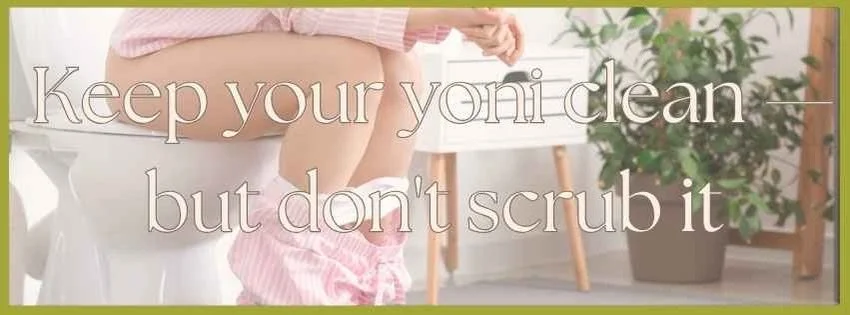
There is no need to aggressively clean a healing perineum.
Gentle rinsing with clean water after using the toilet, changing pads regularly, clean hands and allowing the area to dry are often all that is needed.
Avoid scrubbing the area or repeatedly applying lots of different perfumed products.
The vulva and vagina are remarkably good at looking after themselves when we stop interfering with them.

After a significant tear, episiotomy or stitches, many women are understandably nervous about opening their bowels.
Constipation can make everything feel much harder because straining increases pressure through the pelvic floor and can make a sore perineum feel much more uncomfortable.
Simple things can help:
Prunes or prune juice can be really useful for keeping stools softer.
Eat plenty of fruit, vegetables, soups, stews and other fibre-rich foods.
Include enough healthy fats, which can also help keep digestion moving.
Try not to ignore the urge to go, because stools can become harder the longer they sit.
And importantly, drink plenty.
Staying well hydrated supports softer stools, but it also matters for your whole postnatal recovery — especially if you are breastfeeding, losing blood, healing tissues and trying to rebuild after pregnancy and birth.

Birth injuries can hurt.
But there is a difference between soreness that is gradually improving and pain that is becoming increasingly intense.
Please ask someone to check you if you have increasing pain, redness, pus or unpleasant-smelling discharge, fever or chills, wound edges separating, difficulty controlling wind or bowel movements, or simply the feeling that something isn't healing properly.
You don't get a medal for enduring an infected or poorly healing wound.
Sometimes the most useful thing is simply having somebody competent actually look.

One woman commenting on this discussion said:
“It took me three weeks to feel myself again.”
I think that's an important reminder.
Two weeks postpartum is early.
We live in a culture that can make women feel as though once the baby has arrived they should simply get on with life. Meanwhile their uterus is contracting, hormones are shifting, breasts are changing, sleep is fragmented and their pelvic tissues may quite literally be knitting themselves back together.
Make space for healing.
Lie down.
Let someone bring you food.
Air your bottom.
Keep your peri bottle beside the loo.
And remember that recovery doesn't have to happen according to anybody else's timetable.
Coming next: Can we prevent tearing & episiotomies?
There is much more to say about preparing for birth, protecting the perineum, birthing positions, spontaneous pushing, slowing down as the head emerges and learning to breathe rather than force your baby out.
I'll explore that in another article, alongside my forthcoming Breathe Your Baby Out course — because how we birth our babies, and how much interfere there is with the process, even in ‘normal birth’ settings deserves far more attention than it usually receives.
And if you are currently healing from a tear or stitches: be gentle with yourself.
Healing is about more than the stitches
Traditional postpartum care has always understood something that modern life can make very easy to forget: healing after birth is whole-body work.
It isn’t simply a matter of waiting for stitches to dissolve.
Your body has grown and birthed a baby.
There may be blood loss, bruising, stretched and injured tissues, enormous hormonal changes, disrupted sleep, breastfeeding demands and a nervous system adjusting to an entirely new reality.
Across many traditional cultures, the early weeks after birth have therefore been treated as a distinct period of recovery often known as ‘lying in’— with an emphasis on warmth, rest, nourishing food, touch, practical support and keeping the mother protected from unnecessary demands.
Warmth is particularly important in many postpartum traditions: warm food, warm drinks, warm baths, blankets, warming herbs and avoiding becoming depleted or chilled.
Good nutrition matters enormously too. This is not the time to live on toast while everybody else cuddles the baby.
Think nourishing broths and soups, slow-cooked foods, good fats, protein, mineral-rich foods and plenty to drink. I have written more about nourishment during pregnancy in my Pregnancy Nutrition blog, and many of the same principles — rebuilding, mineral nourishment, protein and eating real food — remain valuable after birth.
A book I often recommend for this period is The First Forty Days, which explores the traditional idea that the first weeks after birth should be a protected period of warmth, food, rest and recovery. I’ll put a photograph and link to the book here.
Postnatal bodywork
Gentle bodywork can also be a beautiful part of postpartum recovery.
After pregnancy and birth, women can be carrying physical tension through the pelvis, sacrum, hips, back, shoulders and abdomen, as well as the emotional intensity of the birth itself.
Postnatal care might include gentle massage, abdominal and womb work when appropriate, Closing the Bones, womb massage, rebozo work, warmth, rest and simply being looked after for a while rather than being the person doing all of the looking after.
This isn't about trying to force the body to “bounce back”.
Quite the opposite.
It is about giving the body the conditions in which it can soften, reorganise and recover
- whilst learning about this new human you need to keep alive & love!
Postnatal support with me
I also offer postnatal treatments and traditional postpartum support, which can be tailored to what you actually need — whether that is bodywork, nourishment, emotional support, birth processing, practical postnatal care or simply a deeply restful treatment while someone looks after you.
Most of my work is based in the Forest of Dean, but I am occasionally available to travel for postnatal support, particularly where a woman would like a more traditional period of postpartum care.
If you'd like to talk about what that could look like, you can get in touch with me here.
Healing after birth is not simply about whether the wound has technically closed. It is about giving your tissues, hormones, nervous system and whole body the time and resources they need to recover.
Lie down. Keep warm. Eat properly. Let someone else make the tea. Air your bottom. Keep your peri bottle beside the loo. Accept the massage. Let people care for you.
The early weeks after birth were never meant to be something women simply pushed through.